

To The Moon Together - An Amateur Sounding Rocket
Intro
My name is Parker Rupe and I am a senior student from One Stone Lab51 highschool. One Stone is unlike any other school in the world. As a student-driven nonprofit and innovative alternative to traditional school, One Stone pushes the boundaries of what is possible in education through radically individualized, real-world learning that values growth over grades. Our students love learning because they are trusted to solve complex problems in Boise and beyond, while discovering themselves and building the necessary skills to thrive as teenagers today and as successful adults in a rapidly changing future.
In the past, I have worked with One Stone on many projects. Whether it was developing a new kind of 3D printer, designing and building my L1 Certification Rocket, or just making simple parts for class in our workshop, I seem to always have a cool project going on through them.
One Stone highly encourages students embrace and explore their passions. So, I have chosen to pursue a passion of mine for my senior year - high performance rocketry.
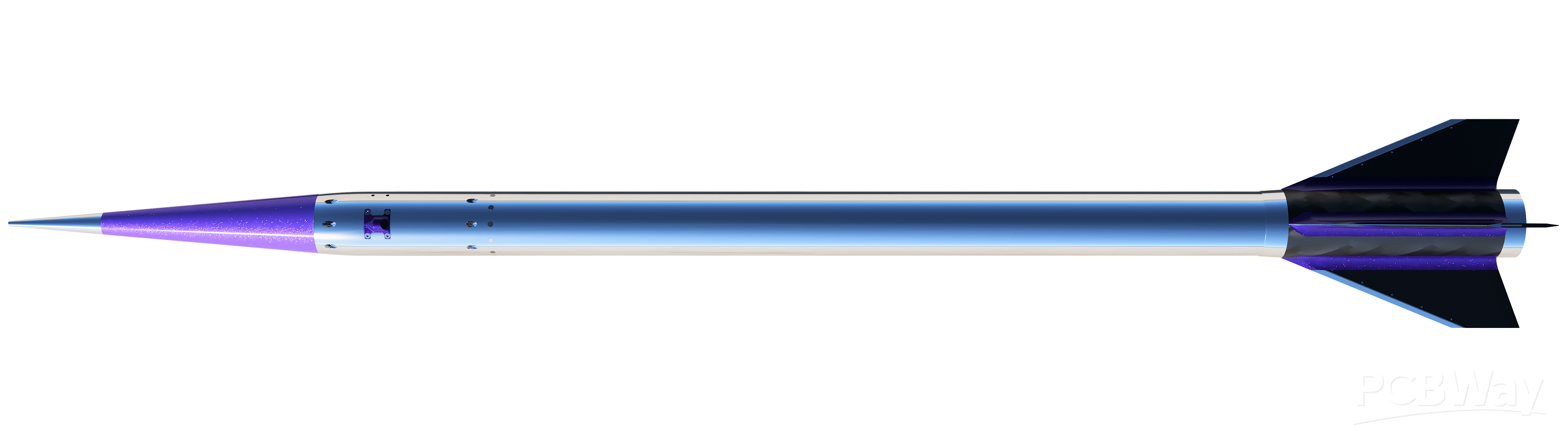
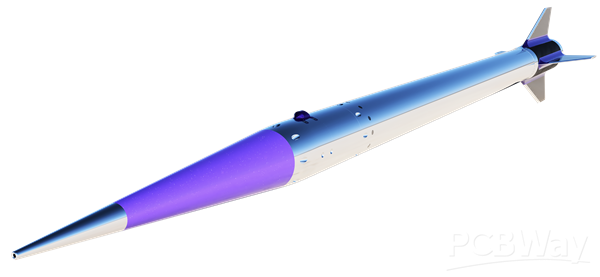
To The Moon Together, my High School Senior Year Engineering Project, is a fully custom-designed amateur sounding rocket — 3 inches in diameter, 5 feet tall, experimental motor powered — capable of reaching approximately 20km (60,000ft) at Mach 3. The rocket is a complete flying vehicle designed and built entirely by a single amateur developer, from the experimental motor and airframe through to the avionics and scientific payload. Onboard is a custom instrumentation system conducting three simultaneous scientific experiments during flight, collecting data that is either entirely absent or extremely sparse in the published literature at this vehicle scale and altitude regime.
What is a sounding rocket? A sounding rocket is a rocket used exclusively for scientific research purposes. These rockets carry scientific and experimental payloads into upper atmosphere conditions to allow for microgravity, supersonic, and more research to be conducted.
This project features many unique skill uses and techniques. It requires custom composites work for the fabrication of a carbon fiber fin can and fiberglass nose cone, metal machining, wiring, PCB design, and more.
Instrumentation
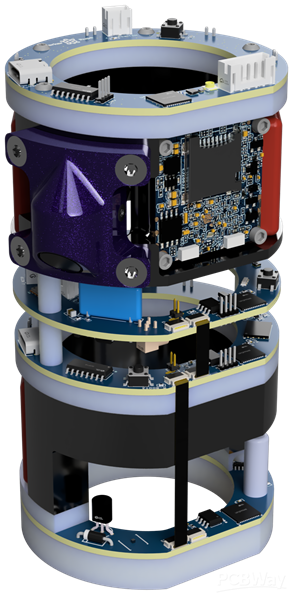
The instrumentation system conducts three independent scientific experiments:
- Cosmic ray flux profiling using a calibrated Geiger tube (SBM-21), logging individual pulses of radiatio through the full flight from ground to 20km. The flight trajectory passes through the Regener-Pfotzer maximum, the altitude at which secondary cosmic ray flux peaks, providing a rare high-resolution flux curve from a fast-ascending supersonic vehicle rather than the slow balloon ascent profiles that dominate existing published measurements.
- Electrostatic charge measurement using a custom femtoamp-level electrometer frontend (LMP7721) referenced between an isolated aluminum nosecone tip electrode and the conductive airframe, across the insulating fiberglass nosecone. The sensor captures triboelectric and aerodynamic charging of the vehicle through the transonic and supersonic regimes and into the stratosphere — a measurement that has no known amateur precedent and limited professional data at this vehicle scale.
- Atmospheric density profiling via structural resonance, using a piezo actuator bonded to the vehicle bulkhead and high precision LSM6 accelerometer to measure how the resonant response of the vehicle structure shifts with changing air pressure during descent. During ascent the same sensor array passively captures structural dynamics, vibration spectra, and aerodynamic loading through both max-Q and the transonic regime. Upon reaching apogee, the function of the accelerometer shifts to a second state while the piezo is simultaneously activated into sine sweeps.
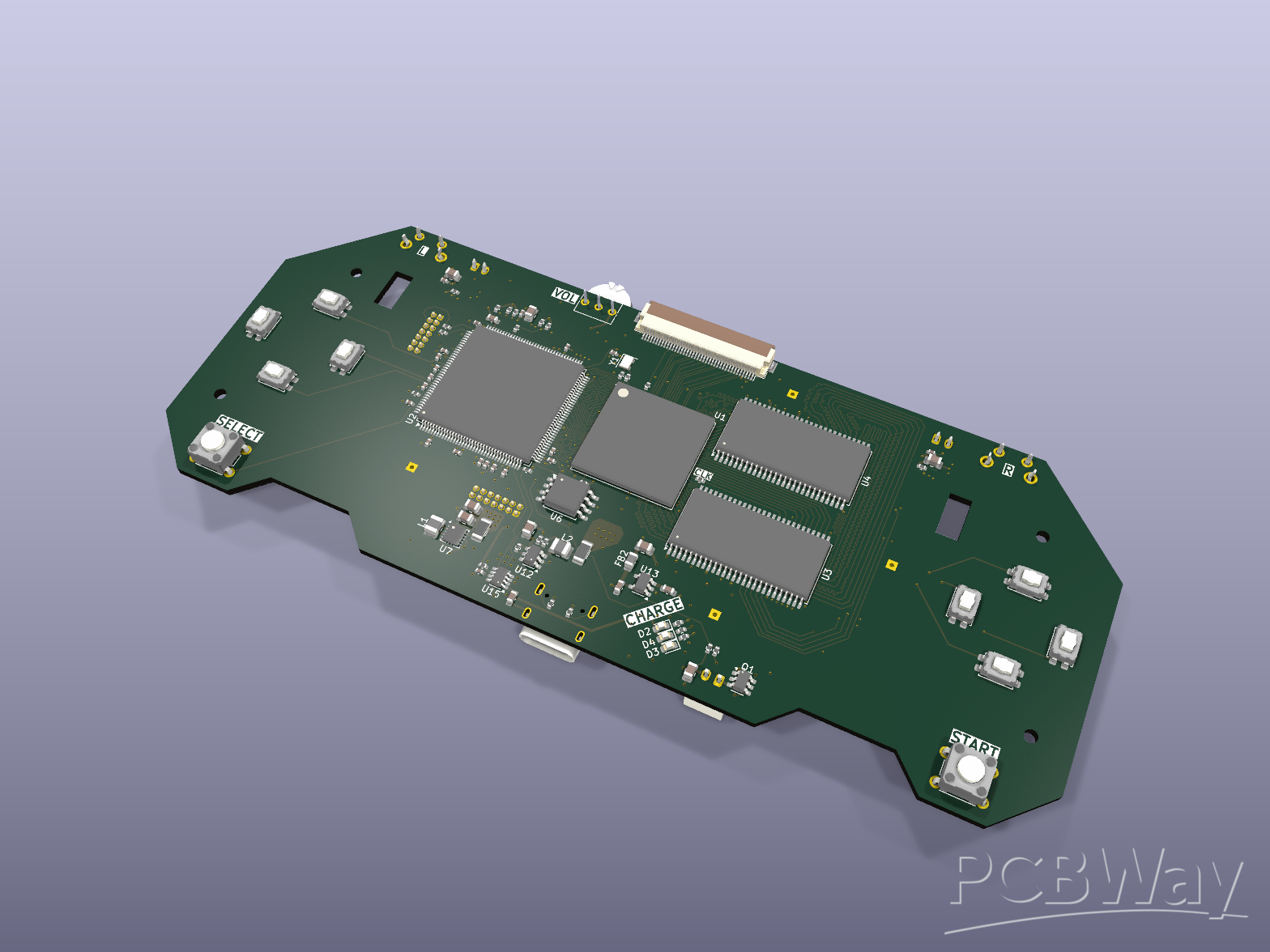
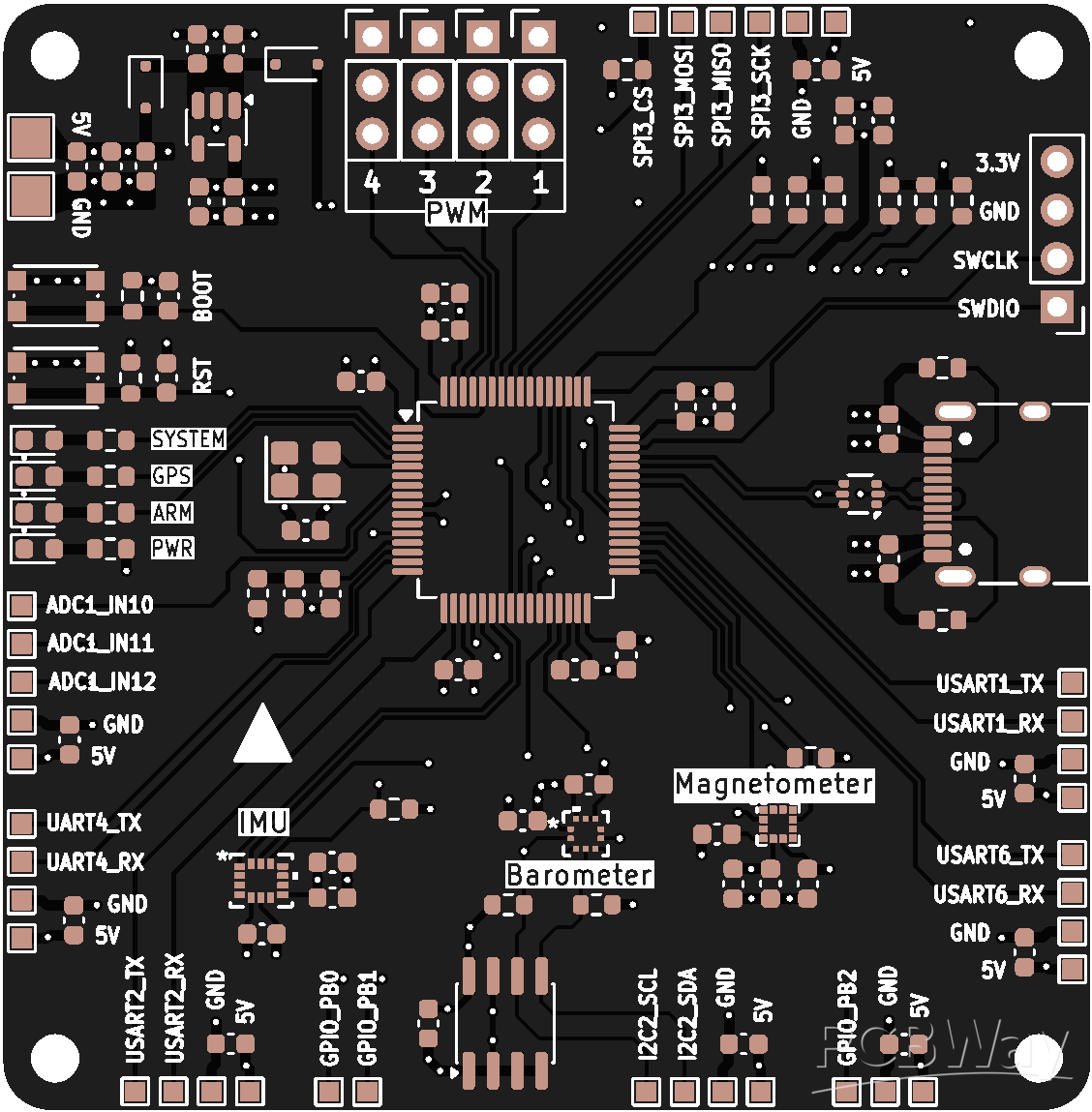
Experiment 1 is housed on the lowest pcb, while Experiments 2 and 3 are housed on the second-from-the-top PCB. These pcbs are respectively called the Geiger PCB and Sensor PCB. These boards utilize CANFD to communciate data to the third-from-the-top pcb, the MCU PCB. This is where all the data handling is carried out and stored on a dedicated flash chip, where it can later be accessed via USB.
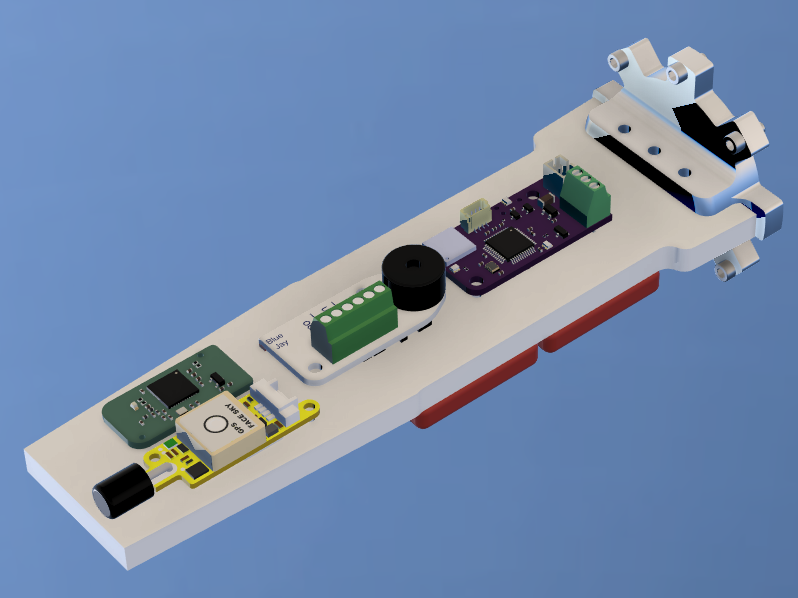
At the very top a camera control pcb is featured. This pcb utilizes LORA radio signals to enable and disable a Runcam Split 4 v2 Camera from a safe standoff distance. This allows for recording of the entire flight, from launch to landing.
Structure

A cross sectional view of the rocket can be seen in this photo. Roughly 90% of the mass of this rocket is purely motor - it truly high performance optimized. The head end of the rocket, where the electronics and recovery gear are stored, is comprised of custom machined aluminum parts and a handmade fiberglass nosecone. Coupling the motor to the head end is done via a conical coupling surface with a 5 degree mating angle - this allows for immense rigidity in the joint so that it stays together during the harsh forces of launch.
Why?
For a long time, I have had a passion for rocketry. I started off doing model rockets with my dad and it eventually grew into an obsession with high power rocketry. Whether it's developing machines for producing rocket parts (like a carbon fiber tube winder that I am using for my fin can tube) or actual rockets, I have spent hundreds, if not thousands of hours working on this hobby. I got an opportunity to do a really high performance build. I was making a camera module for a 3" rocket for a friend and realized - hey, why don't I make a rocket for this camera module too? After all, I have to get a minimum of 2 pcbs assembled per design. This is that rocket. I have poured so many hours into this, I have almost failed classes over this, I have lost sleep over this. Making it into a scientific platform allows me to merge my passions in rocketry, physics, math, and general science in a way I haven't been able to before. So. Godspeed!
This project would benefit humongously by the support of PCBway. Due to the high performance nature of this rocket, many of the structural parts are required to be machined out of Aluminum. On a highschooler's budget, this is pretty difficult to pull off. By getting these machined parts provided by a reliable and high quality manufacturer such as PCBway, I will be able to accomplish much more and explore this project to its fullest extent.
Featured Parts Needed:
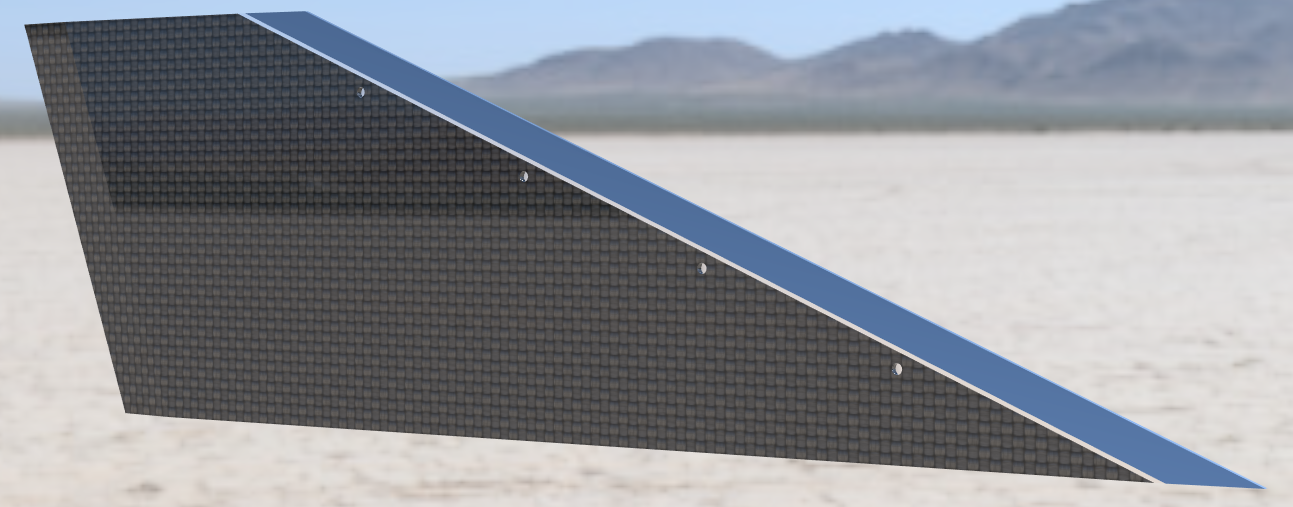
Aluminum Fin Leading Edges - These are high temperature protective edges that take the brunt force of the supersonic heating, something carbon fiber can struggle to handle.
Aluminum Head End Main Structure/Coupler - This part makes up the main structure of the rocket head end and is what the electronics reside inside of/are built into.
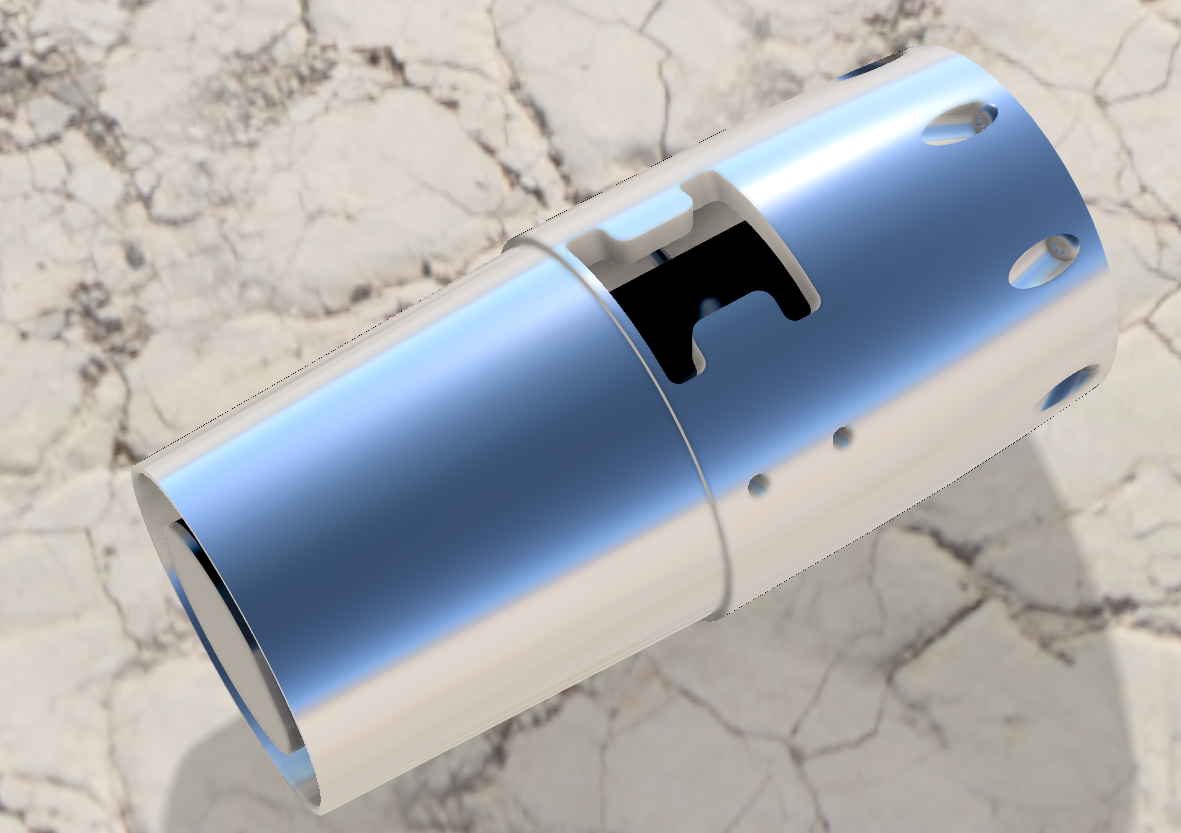
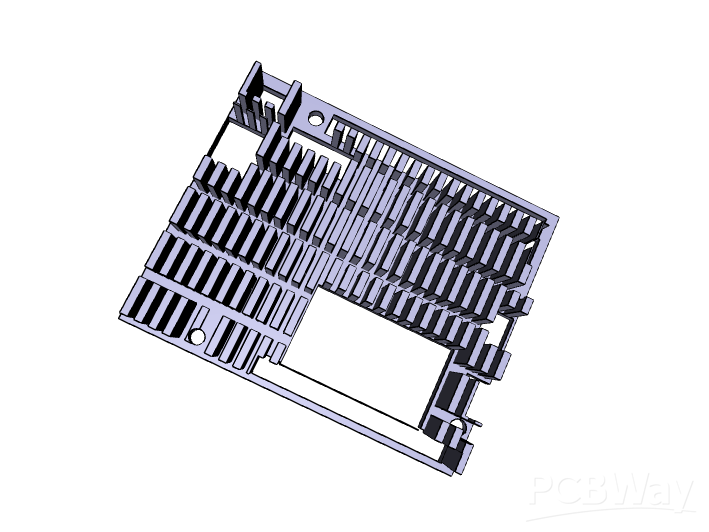
Aluminum Camera Module Main Structure - This part acts as a two for one heatsink and mounting structure for the self contained camera module.

Aluminum Electronics Sled Mount - This part attaches the nose cone AV bay sled (fiberglass plate) into the rocket.
To summarize:
I am requesting sponsorship of multiple aluminum structural parts for a high performance rocketry project being completed for my high school Senior Year Engineering Project.
Apply for sponsorship >>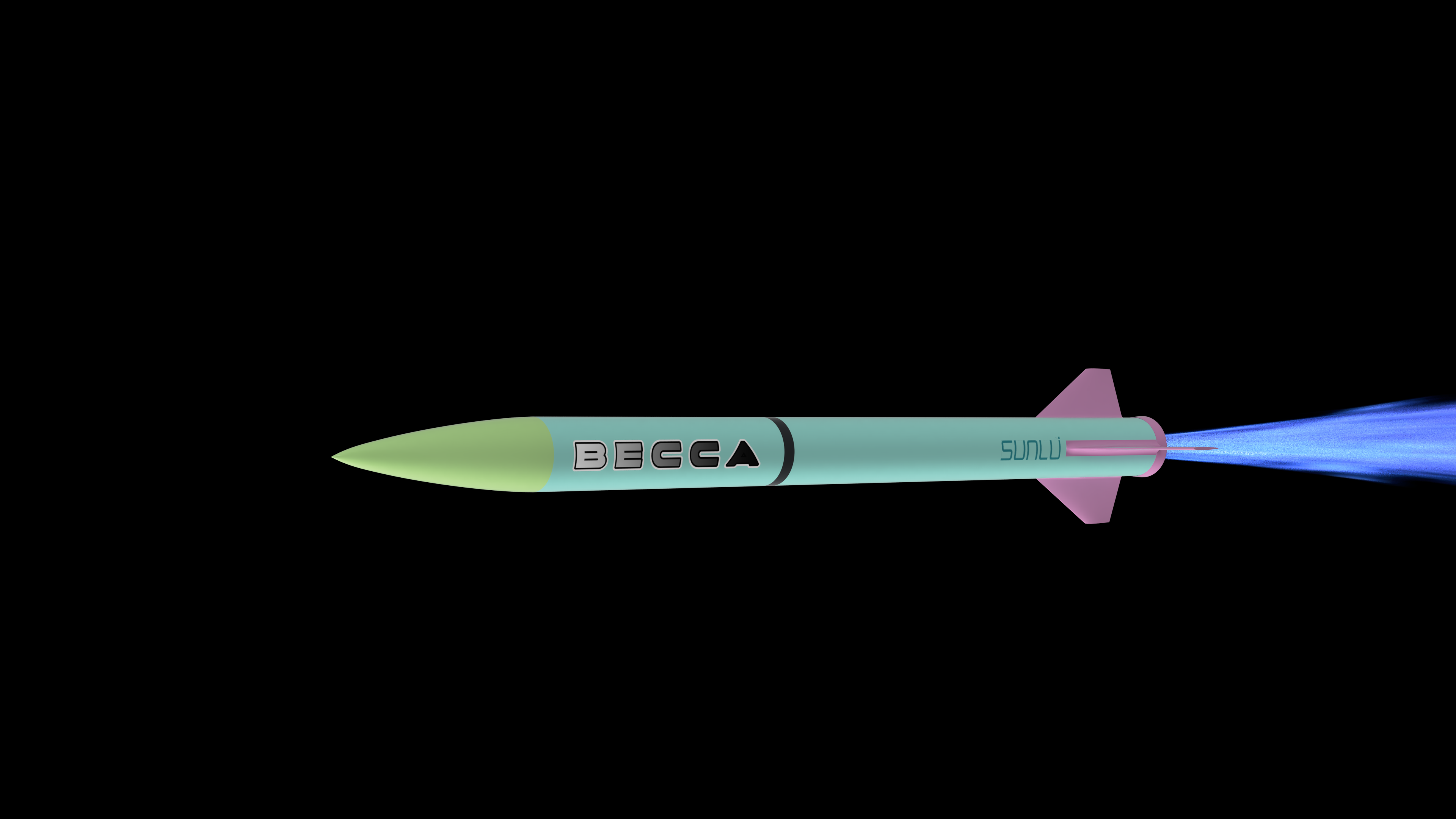
- Comments(0)
- Likes(0)