

TOPUS Aerospace Projects – University of São Paulo
TOPUS Aerospace Projects
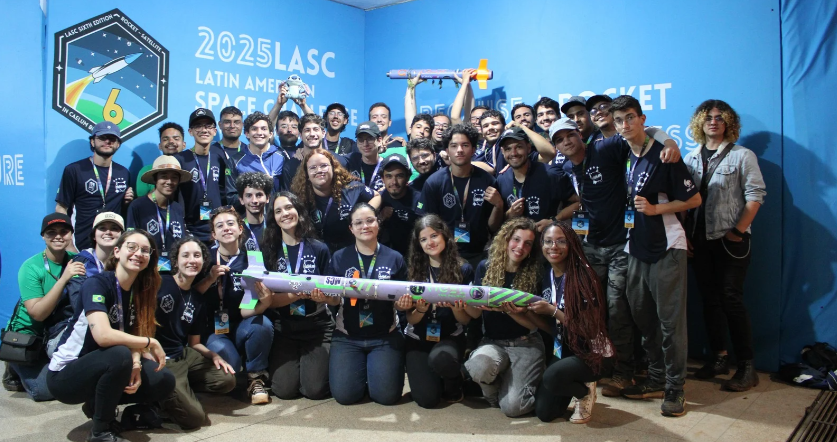
(Team photo during the 2025 Latin American Space Challenge)
The TOPUS Aerospace Projects is a student-led aerospace engineering team from the University of São Paulo (USP), based in São Carlos, Brazil. Our team is composed of students from multiple engineering disciplines including aerospace, mechanical, electrical, and computer engineering.
Our goal is to design, build, and launch high-power experimental rockets, while providing a hands-on engineering experience for university students. Through these projects we aim to develop a practical approach for aerospace education in Brazil and represent our university in international engineering competitions such as Spaceport America Cup in Texas and the Latin American Space Challenge.
The team has been consistently ranked among the top competitors, achieving 10 trophies in the last 5 years, in the overall, innovative technology and social diversity categories.
About the Team
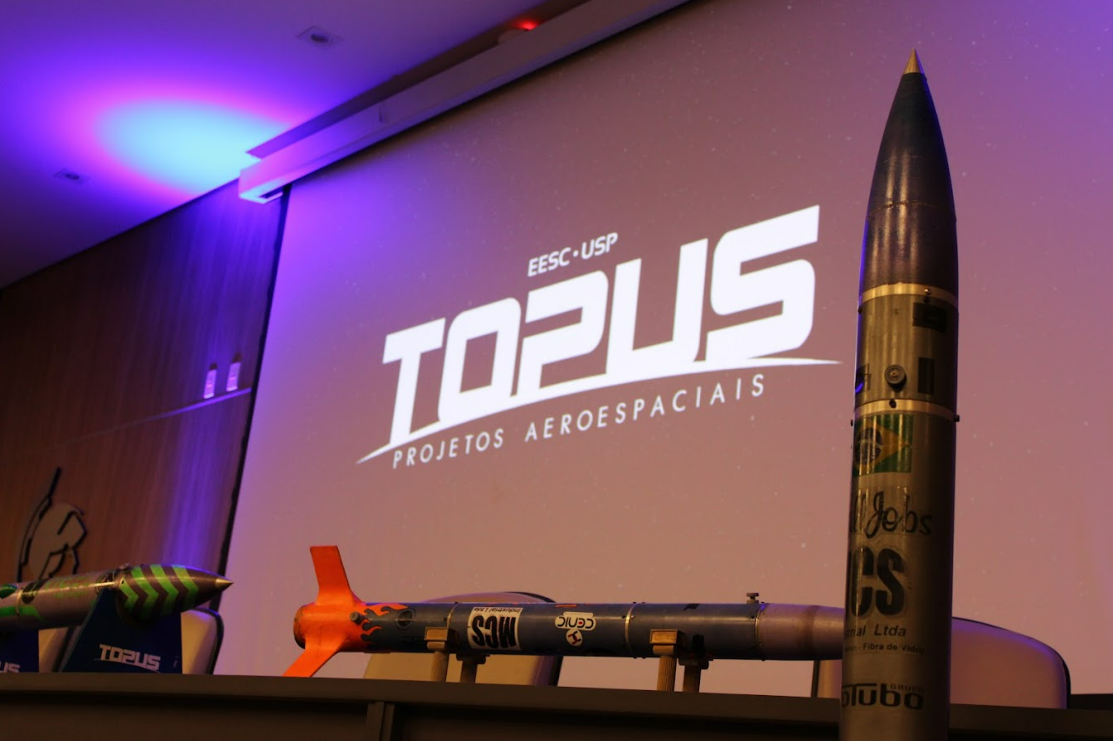
(Image taken during one of the group’s presentations, featuring two 3000ft and one 1500ft rocket)
In 2025 the team reached its 20th anniversary, being created in 2005. The team currently includes 80 members working across several technical divisions such as:
- Structures
- Propulsion
- Avionics
- Recovery systems
- Aerodynamics
Our rockets are entirely designed and built by students, providing practical experience in systems engineering, embedded electronics, structural design, flight testing and CFD/FEA simulation.
Competition Mission
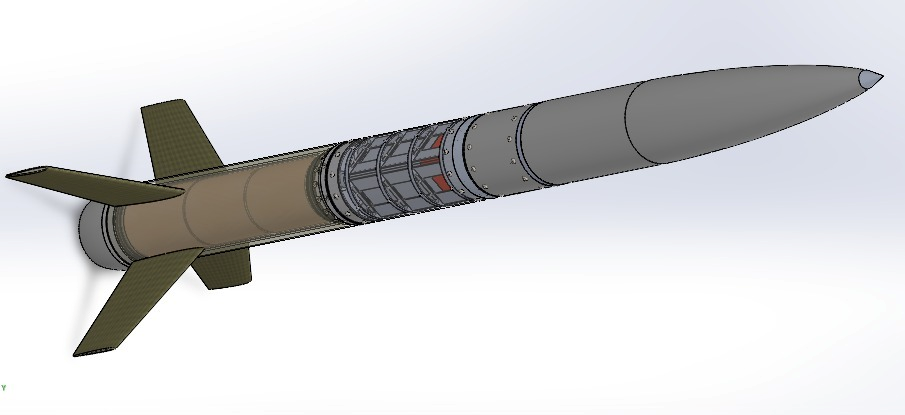
(CAD architecture of our new 10000ft rocket)
Our current project is focused on developing a new rocket platform from zero, designed to compete in the Spaceport America Cup, one of the largest university rocketry competitions in the world.
The competition challenges student teams to design, manufacture and launch rockets capable of reaching specific altitudes while carrying engineering or scientific payloads.
For our upcoming mission, the rocket is designed to reach approximately 10000ft while carrying a payload ejection system developed entirely by students.
We also work on satellite and hybrid propulsion projects, aiming on future developments of our rockets and payloads.
Avionics and Electronics
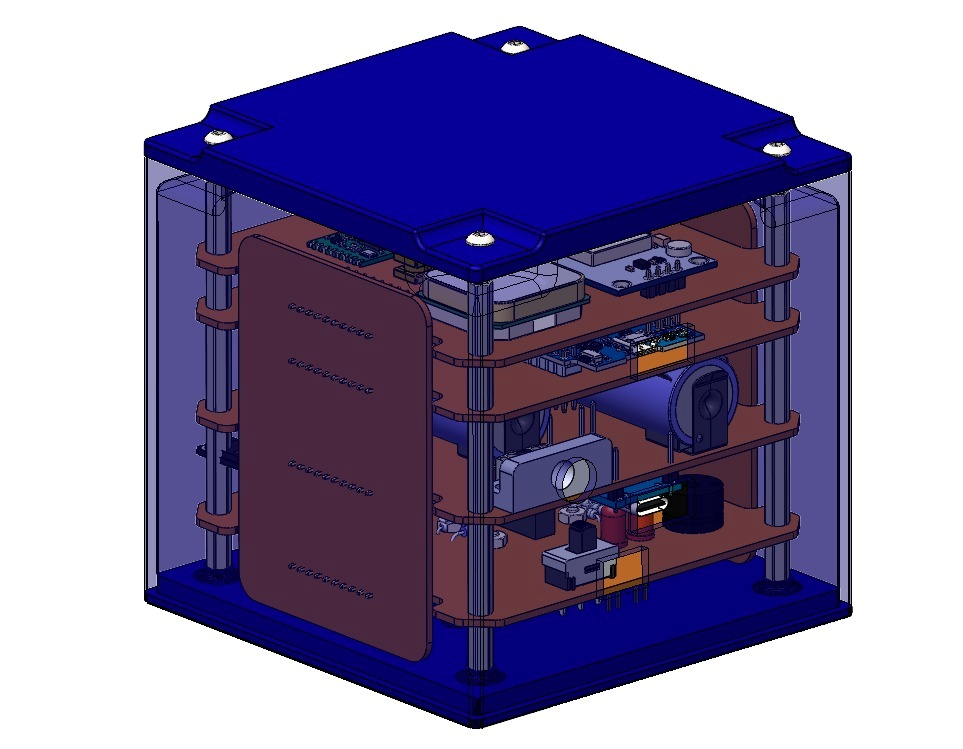
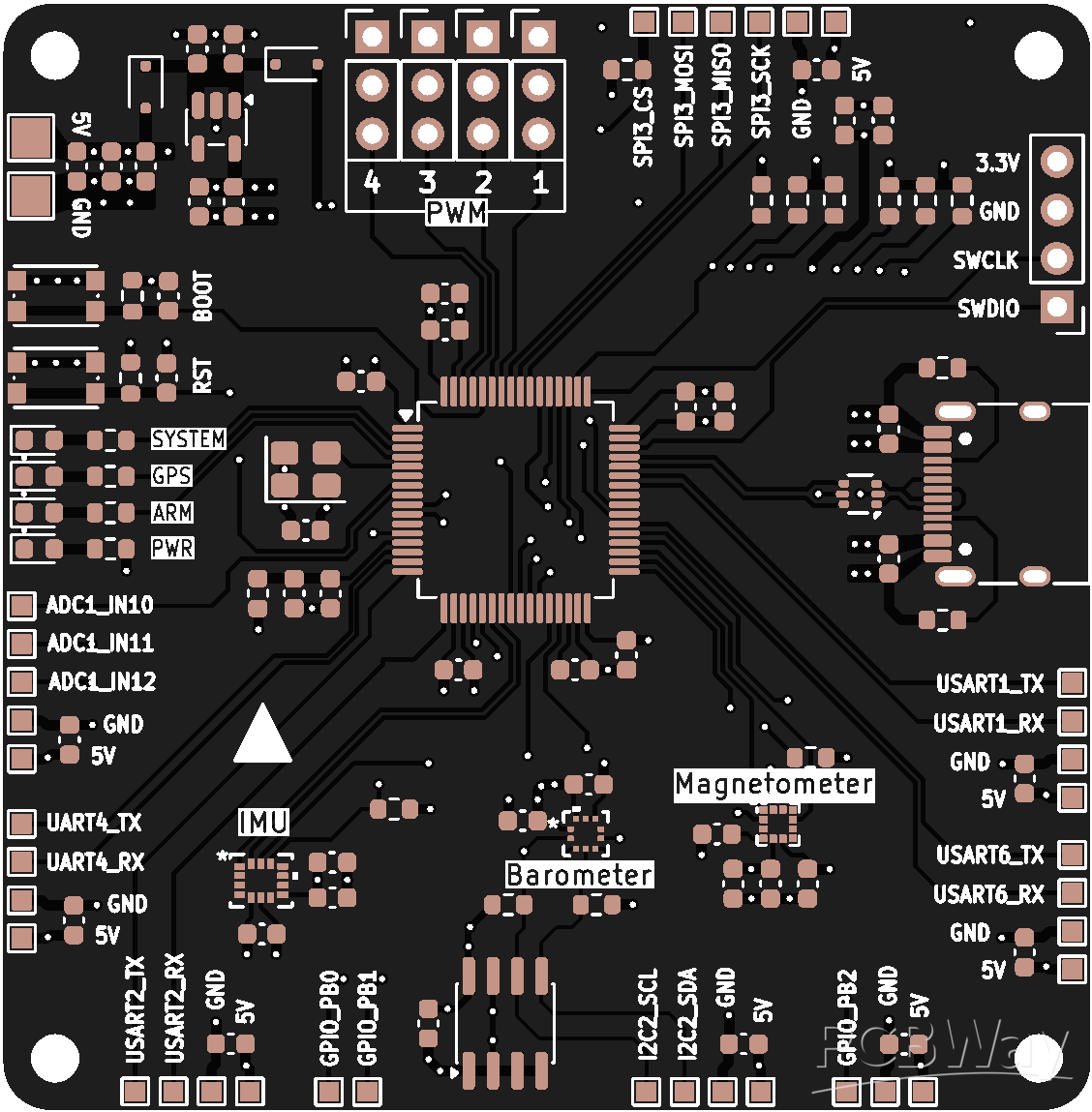
(2025’s Satellite and rocket avionics architectures)
One of the most critical subsystems of the rockets and satellites is the avionics system. This system is responsible for:
- flight monitoring
- sensor data acquisition
- telemetry communication
- recovery system deployment
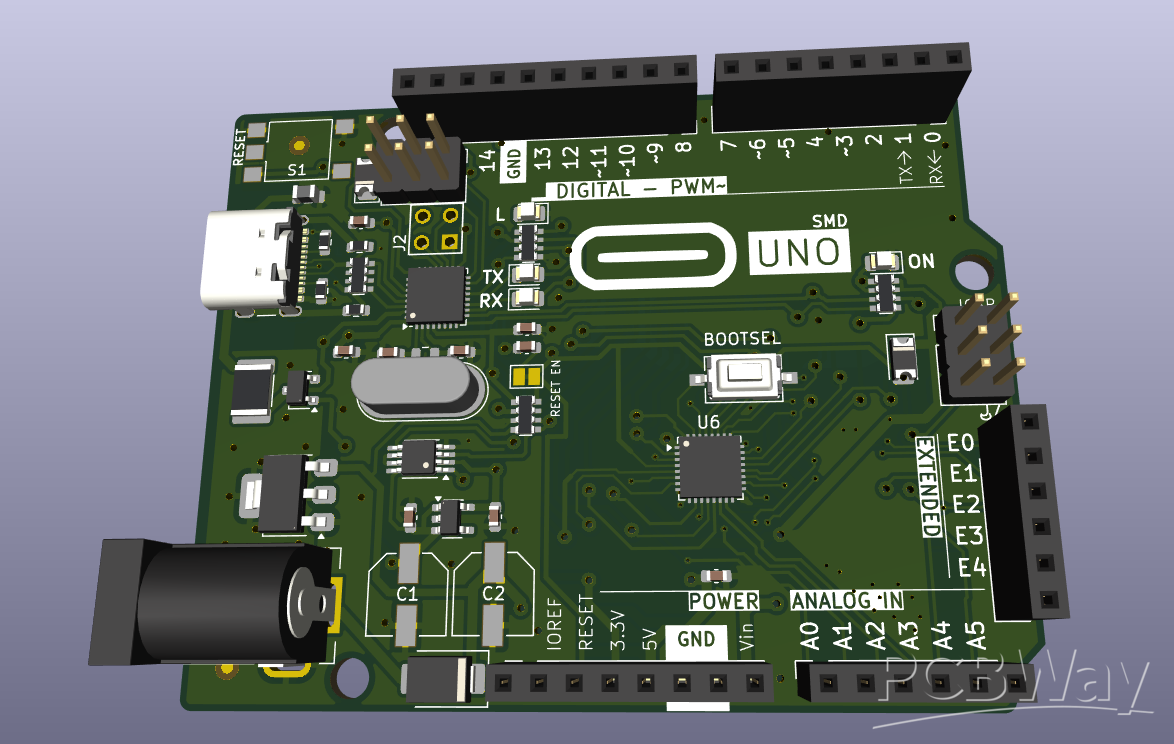
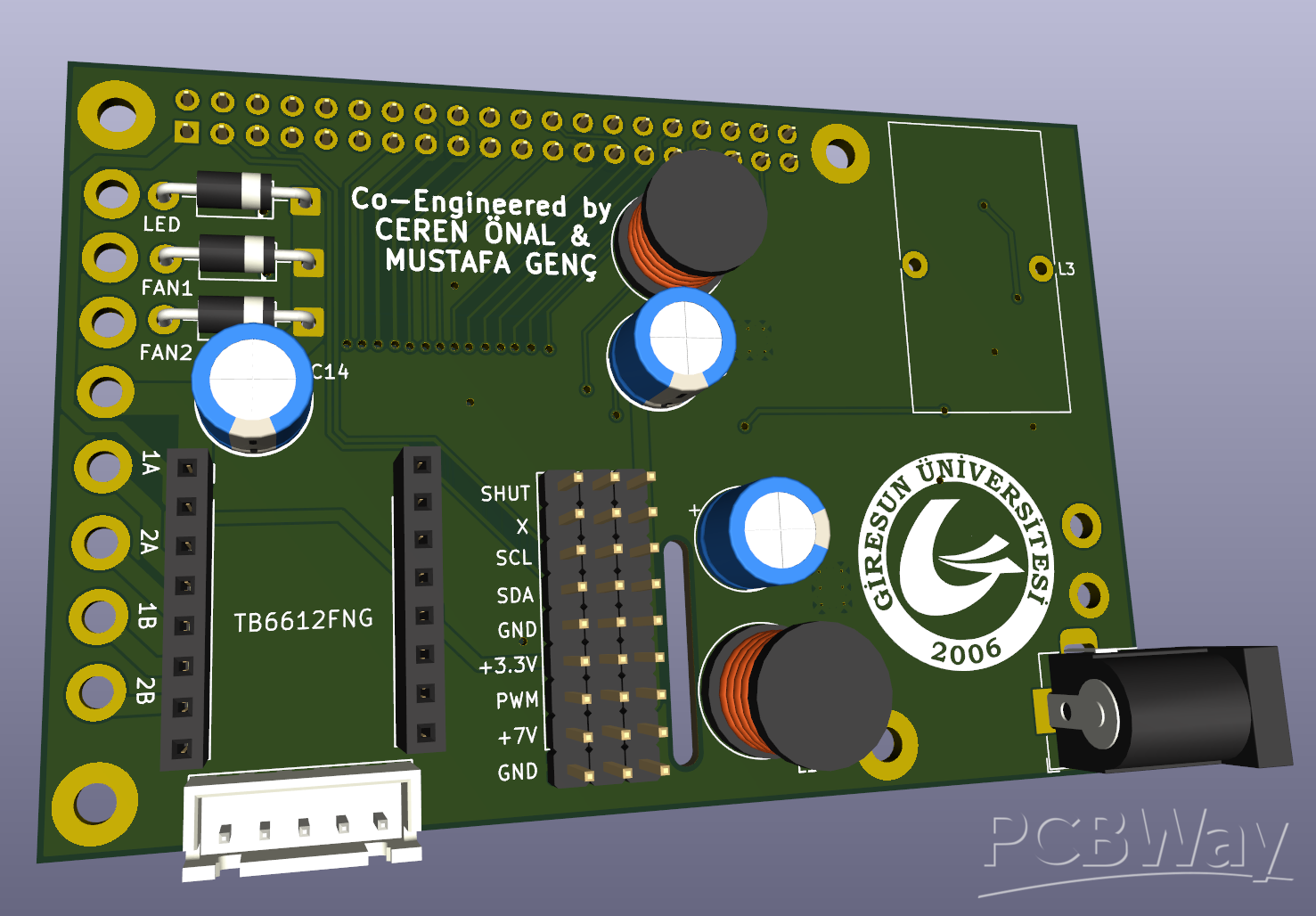
Our avionics architecture relies heavily on custom-designed PCBs developed by the team.
These PCBs integrate several key systems including:
- flight computer microcontrollers
- accelerometers and gyroscopes for flight dynamics
- barometric sensors for altitude measurement
- telemetry communication modules
- power distribution systems
- onboard data logging
These electronics must operate under extreme conditions including high vibration, acceleration, and temperature variation during rocket flight.
Example Flight Computer Architecture
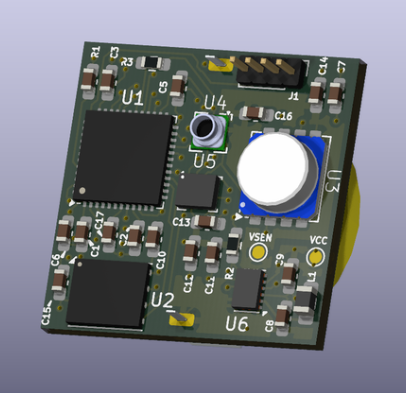
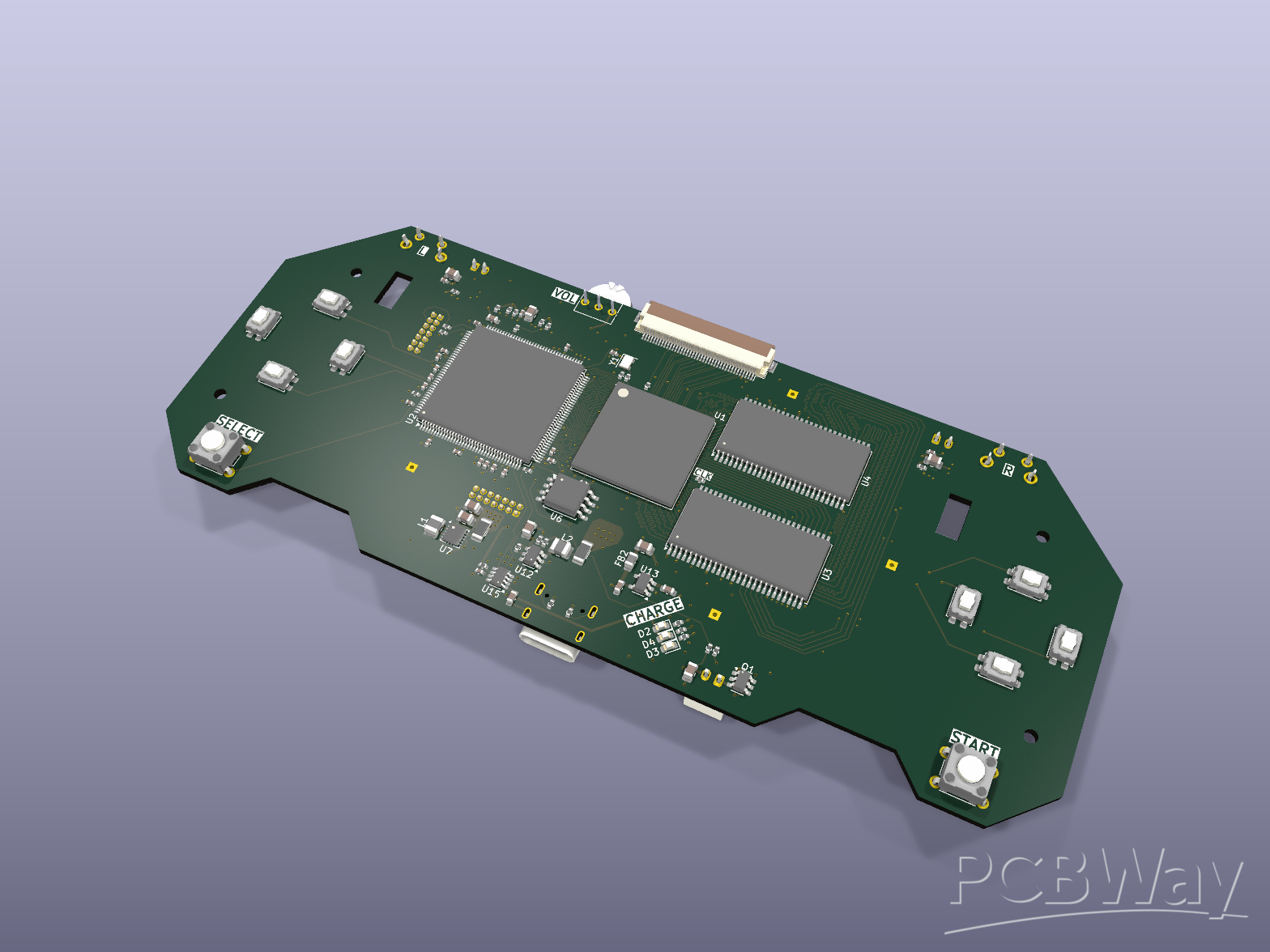
(“TOPUS BlackBox” project architecture)
The flight computer integrates multiple sensors and processing modules to monitor rocket performance in real time and ensure safe deployment of the recovery system, as well as being robust in order to survive extreme environments and climate.
Typical avionics boards include:
- main flight computer PCB
- telemetry and communication board
- power distribution and battery management board
- payload electronics
Across the rocket systems, our projects usually require many boards, each serving a specific role in the avionics architecture.
Project Video
This video presents an overview of our team, our development process, and our work building experimental rockets.
Why PCBWay Support Is Important
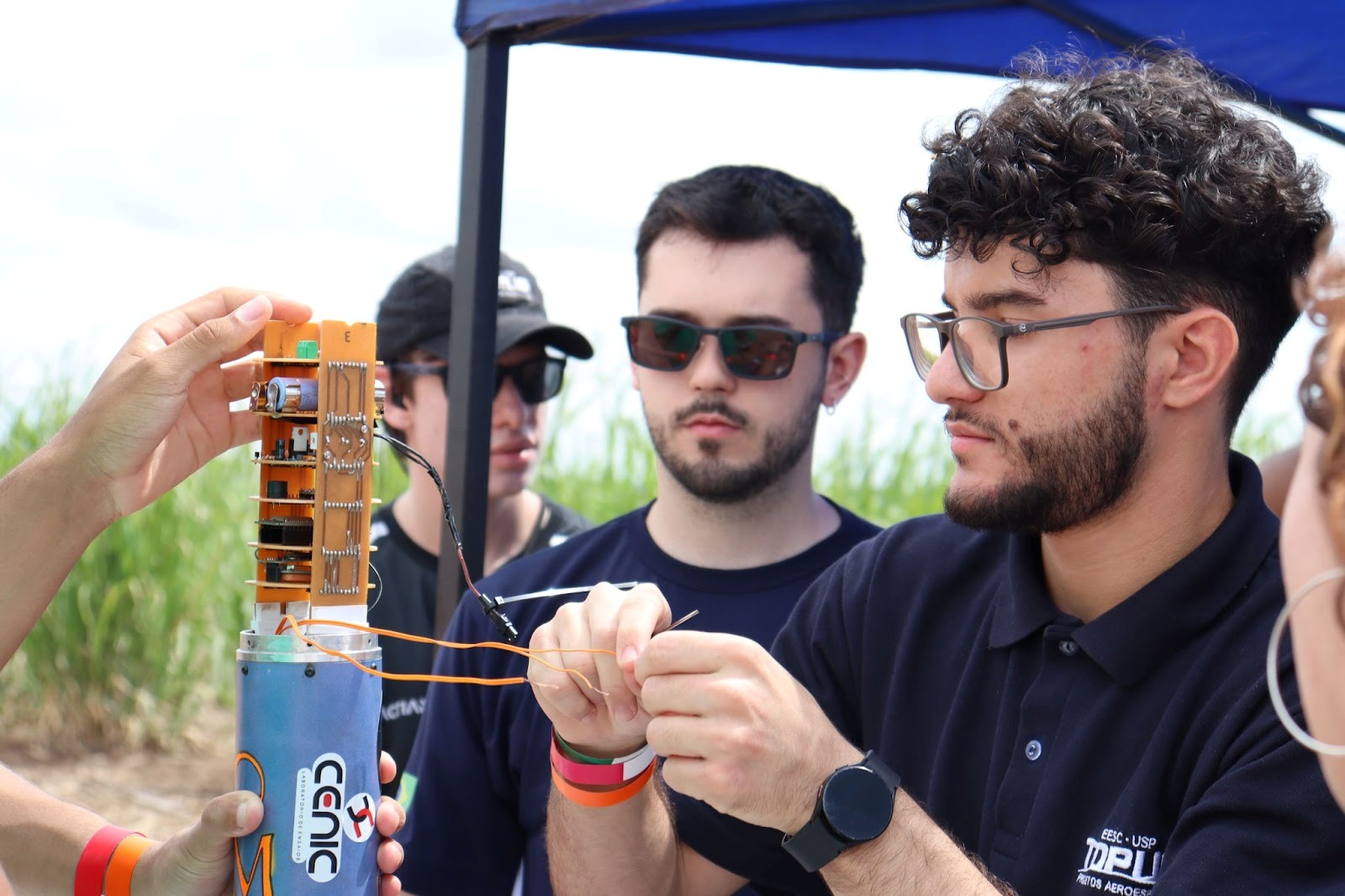
(Rocket avionics integration testing)
As a student team, rapid prototyping is essential for the development of reliable avionics systems.
Access to high-quality PCB manufacturing would allow us to:
- test multiple hardware iterations
- validate sensor systems
- improve flight reliability
- train new members in embedded electronics design
Support from PCBWay would significantly accelerate the development of our avionics hardware and allow more students to gain hands-on experience with real aerospace systems.
Visibility and Collaboration
In return for the support, the PCBWay logo will be featured on:
- our rocket and technical equipment/branding
- team presentations and technical reports
- our social media and outreach material
- project documentation and public demonstrations
Our team regularly shares project updates and engineering development with the student community and the public through social media and official university pages.
Team Impact
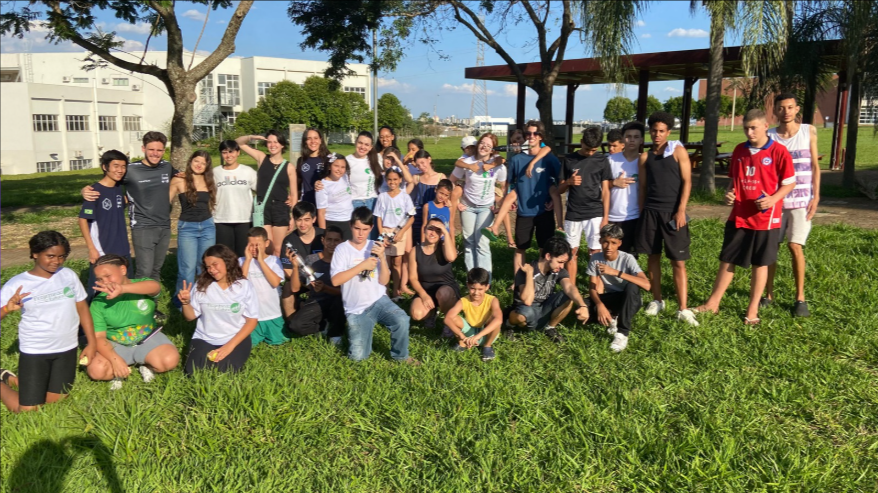
(The team hosts many activities with the local community every year)
Through our activities we aim to promote aerospace engineering and inspire new students to pursue careers in science and technology in our region.
Our projects provide members with real-world experience in:
- aerospace systems engineering
- embedded electronics
- structural design
- flight testing and data analysis
Acknowledgment
We would be honored to collaborate with PCBWay in the development of our rocket avionics systems, and we are sure that this kind of partnership is what will help us reach new heights with our next projects, figuratively and literally!
Your support would directly contribute to the training of the next generation of aerospace engineers and help our team represent Brazil in international rocketry competitions in the future.
- Comments(1)
- Likes(2)