TEC H2 Racing
TEC H2 Racing – SENAI CIMATEC
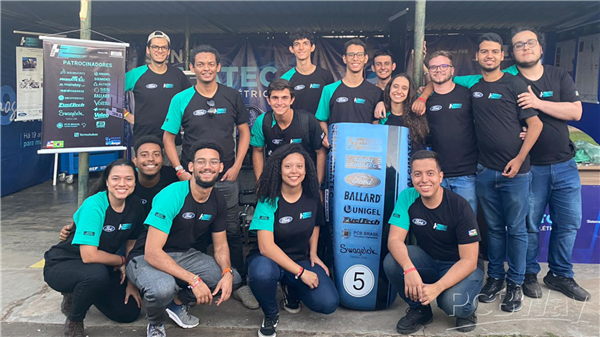
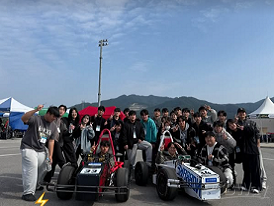
TEC H2 Racing is a student engineering team from SENAI CIMATEC, located in Salvador, Bahia, Brazil. Our team is composed of students from different engineering and technology areas, working together on the development of hybrid and hydrogen-based vehicle prototypes.
Our main project is focused on the H2 Challenge, a SAE-style student competition that combines concepts from Baja and Formula vehicles with sustainable mobility, hybrid powertrain technologies, hydrogen systems, embedded electronics, and vehicle safety engineering.
Through this project, our goal is to provide students with hands-on experience in real automotive engineering, while promoting the development of cleaner and more efficient mobility solutions in Brazil.
About the Team
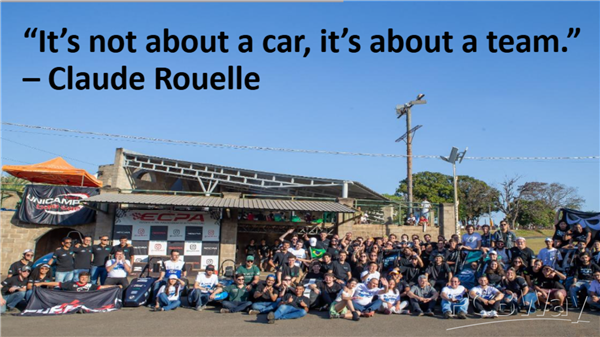
TEC H2 Racing was created to bring students closer to real engineering challenges in the automotive and motorsport fields. The team works on the complete development of the vehicle, from mechanical design and manufacturing to powertrain integration, embedded systems, safety circuits, and testing.
Our members are involved in several technical areas, including:
Vehicle dynamics
Chassis and suspension
Powertrain and hydrogen systems
Embedded electronics
PCB design
Control systems
Data acquisition
Safety systems
Manufacturing and testing
The vehicle is designed, assembled, and validated by students, allowing the team to develop practical skills in systems engineering, prototyping, troubleshooting, and project management.
Competition Mission
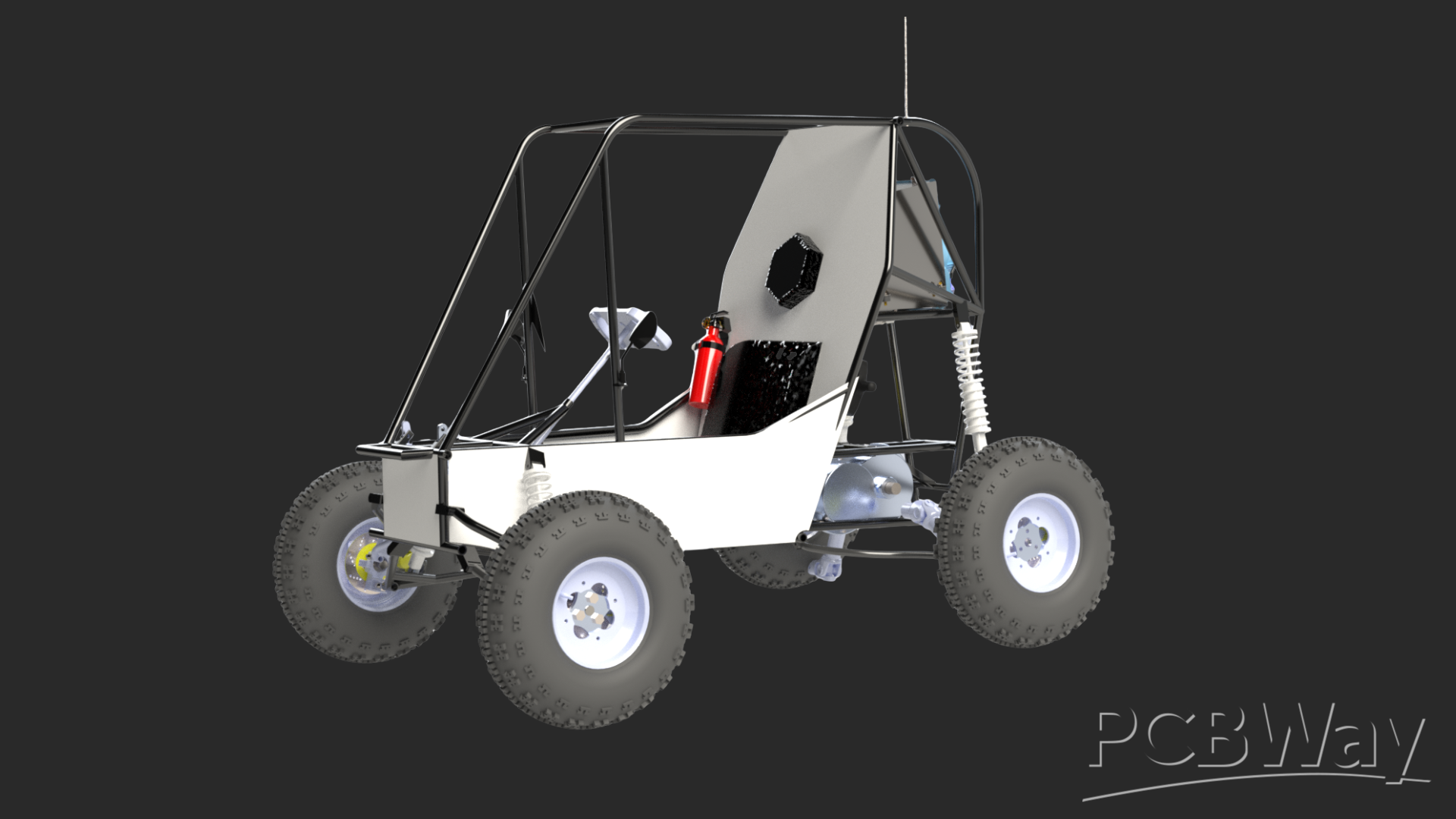
The H2 Challenge encourages student teams to develop innovative hybrid vehicle prototypes using hydrogen and electric propulsion technologies. The competition requires teams to apply engineering knowledge in a practical environment, while also considering safety, reliability, efficiency, and sustainability.
Our current project involves the development of a hydrogen hybrid vehicle platform, integrating fuel cell systems, battery systems, power electronics, embedded control, and safety devices. This creates a challenging environment where custom electronics and reliable PCB prototypes are essential for the correct operation of the vehicle.
Electronics and PCB Development
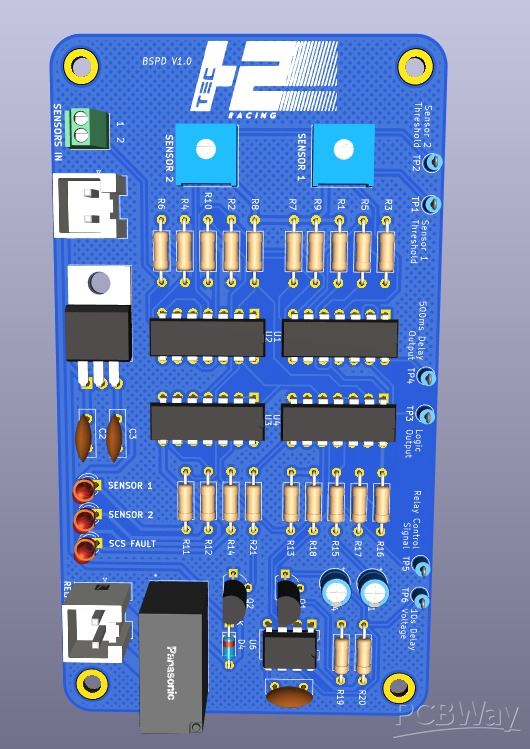
One of the most important parts of our project is the development of custom electronic systems for vehicle control and safety. These systems are responsible for signal conditioning, sensor integration, relay control, safety monitoring, communication between subsystems, and interface with the main controller.
For our current development stage, we are working on two main PCB prototypes:
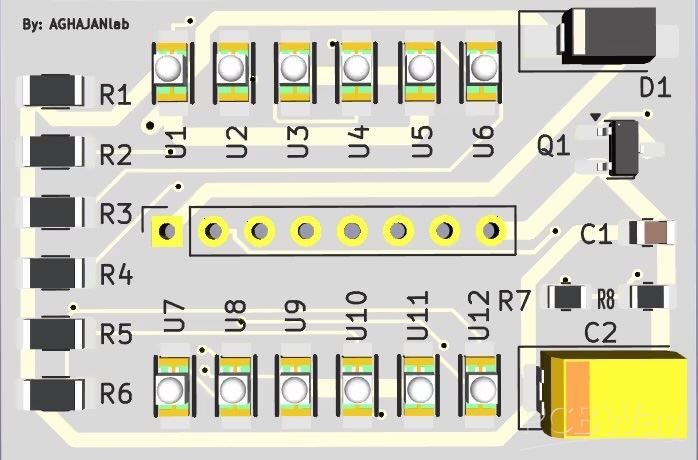
BSPD – Brake System Plausibility Device
The BSPD is a safety circuit commonly used in Formula SAE and Formula Student vehicles. Its function is to detect an implausible condition between braking and propulsion demand. In general, if the vehicle detects strong braking while there is significant motor torque or power demand for a defined period, the BSPD must trigger a fault and open the shutdown circuit.
Our BSPD design was based entirely on the open-source Manchester Stinger Motorsports BSPD project:
https://github.com/ManchesterStingerMotorsports/BSPD/tree/main/BSPD%20PCB
This board is very important for the safety architecture of the vehicle and is directly related to competition requirements.
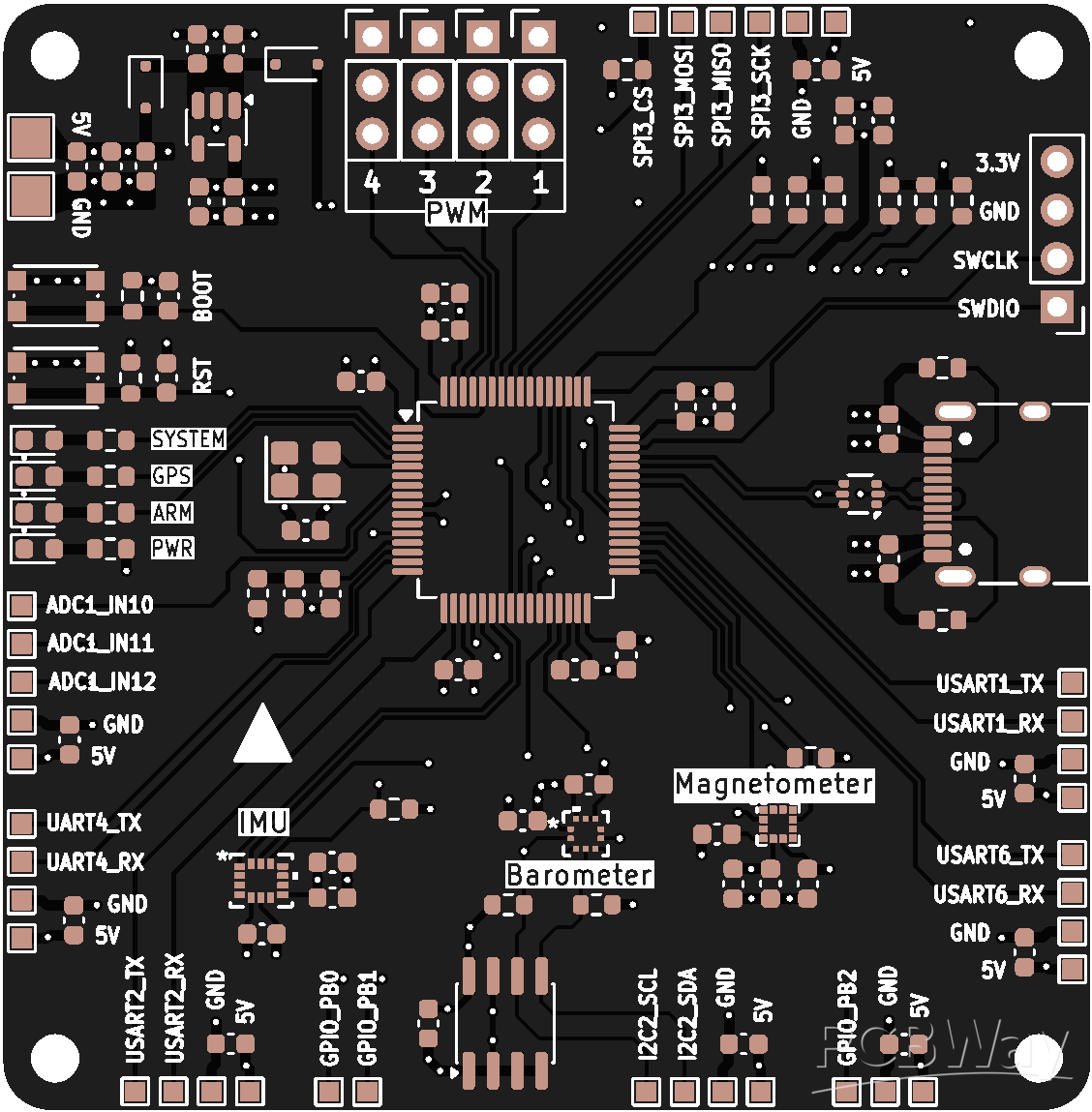
STM32F407 DISC1 Shield
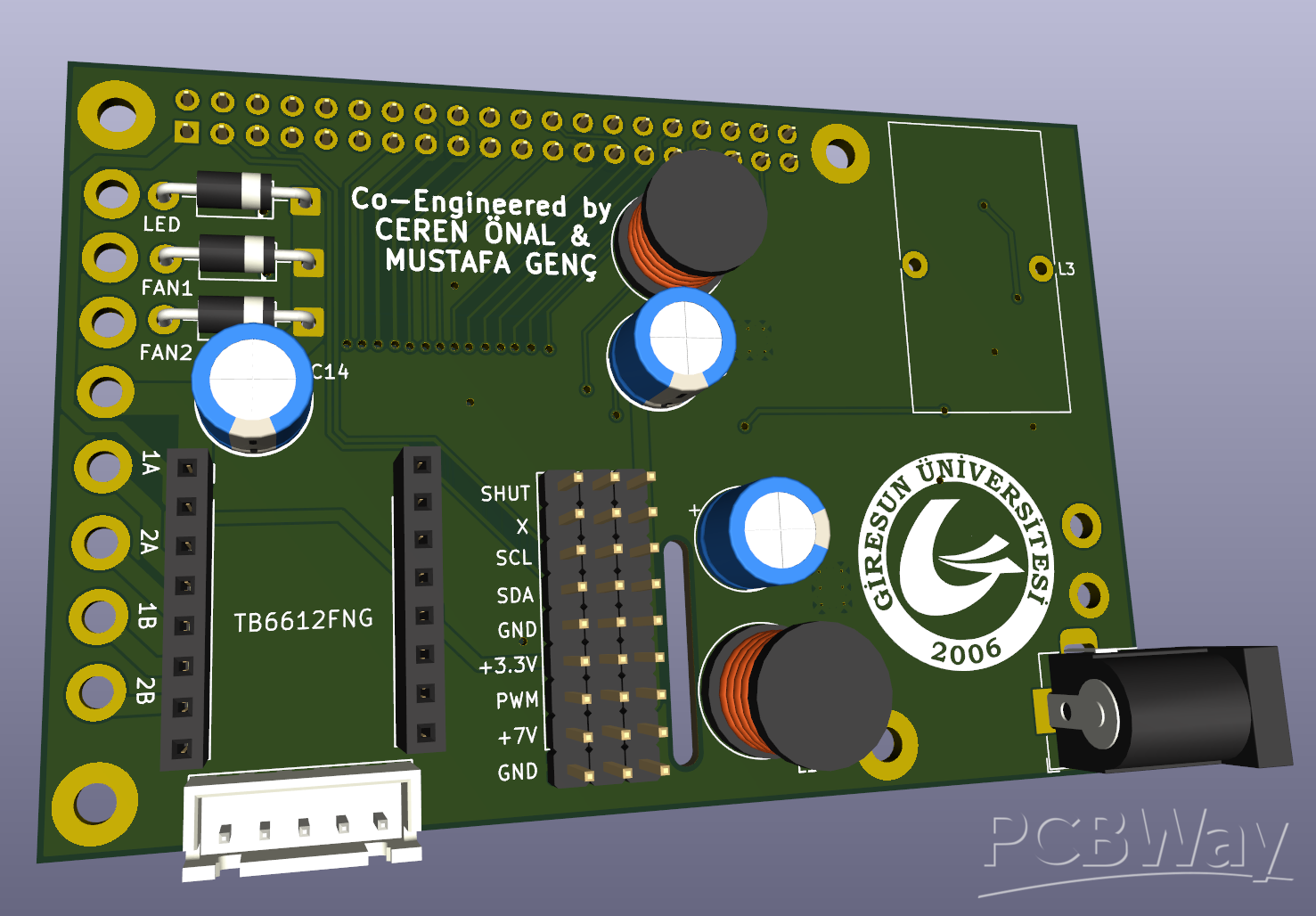
The second PCB is a custom shield for an STM32F407 DISC1 development board. This shield includes the connectors where the STM32F407 DISC1 board is mounted, allowing the microcontroller board to plug directly into the PCB.
The shield was designed to simplify the integration between the STM32 controller and the vehicle’s sensors, relays, power signals, and external connectors. It includes two resettable relay circuits similar to the BSPD relay circuit, three voltage divider circuits, one L29080DT33R voltage regulator with its standard auxiliary circuit, one pulldown circuit, power connectors, around 50 two-pin screw terminals, and two Molex-style connectors for the relays.
This board will help organize the vehicle wiring, reduce assembly errors, improve reliability, and make the control system easier to test and maintain.
Why PCBWay Support Is Important
As a student team, access to high-quality PCB manufacturing is essential for rapid prototyping and validation. Custom PCBs allow us to replace improvised wiring and prototype boards with reliable, compact, and repeatable hardware.
Support from PCBWay would allow us to:
Manufacture reliable prototypes for the vehicle safety and control systems
Validate the BSPD and STM32 shield in real test conditions
Improve the organization and reliability of the electrical system
Reduce development time during integration and troubleshooting
Train students in PCB design, embedded electronics, and automotive safety systems
Prepare better hardware for competition inspections and vehicle testing
Since our project involves a hydrogen hybrid vehicle, reliability and safety are especially important. The PCBs supported by PCBWay would be directly used in systems related to vehicle control, shutdown logic, signal conditioning, and electrical integration.
In return for PCBWay’s support, TEC H2 Racing can provide visibility through:
PCBWay logo on team materials and presentations
Social media posts showing the PCB development and assembly process
Acknowledgment in technical reports and project documentation
Sponsor visibility during events, exhibitions, and academic presentations
Possible logo placement on the vehicle or electronics enclosure, when applicable
Our team regularly shares project updates with students, professors, sponsors, and the engineering community. PCBWay’s support would be presented as an important contribution to the development of student engineering, sustainable mobility, and hydrogen-based vehicle technology.
Team Impact
TEC H2 Racing aims to inspire students to work with automotive engineering, embedded electronics, hydrogen technologies, and sustainable mobility. The project gives members the opportunity to face real engineering problems and develop solutions that go beyond classroom theory.
Through the development of the H2 Challenge vehicle, our members gain practical experience in:
Automotive electrical systems
Embedded control
PCB design and testing
Hydrogen safety systems
Powertrain integration
Vehicle prototyping
Technical documentation
Teamwork and engineering project management
This experience contributes directly to the formation of future engineers prepared to work with advanced mobility technologies.
Acknowledgment
We would be honored to collaborate with PCBWay in the development of our vehicle electronics. Your support would directly contribute to the construction of safer and more reliable PCB prototypes for our hydrogen hybrid vehicle.
With PCBWay’s help, TEC H2 Racing will be able to improve our electronic systems, accelerate our development process, and provide students with valuable hands-on experience in real automotive engineering.
Thank you for supporting student teams and helping future engineers turn their ideas into working prototypes.
Apply for sponsorship >>- Comments(0)
- Likes(1)