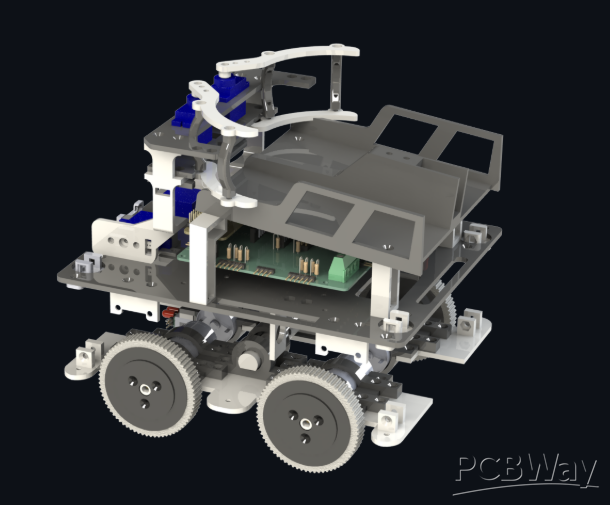
Chippy V2: 150g Autonomous Combat Robot
About the Project
Chippy V2 is a next-generation 150g "Antweight" combat robot built to compete in combat robotics tournaments. Following the performance of the previous RC prototype (Chippy V1), the design is being completely overhauled for the upcoming summer championship. The goal is to build a fully autonomous combat robot that uses an Arduino microcontroller and an HC-SR04 ultrasonic sensor to actively detect and target opponents without requiring manual human steering.
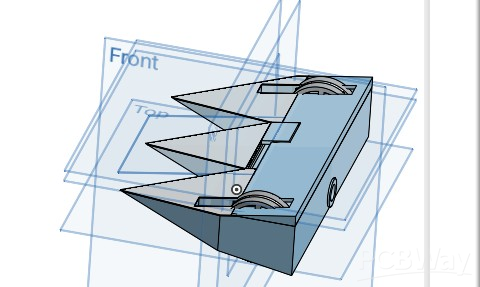
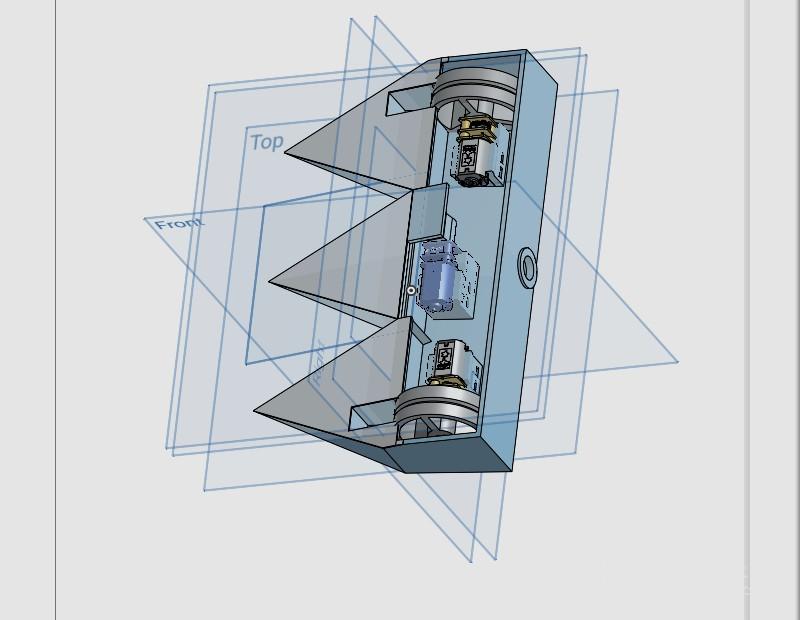
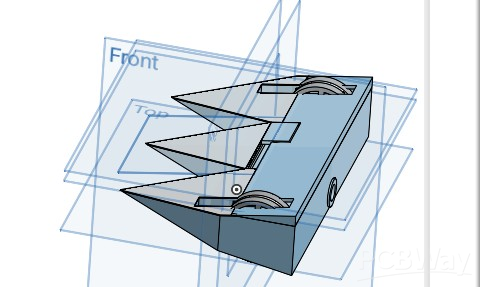
Link to the robot design: https://cad.onshape.com/documents/a5a2b97987fce629c330e7ac/w/77aa3a11362bf8d2bcebe865/e/49d45d0caa66f19e709bc6f0
Engineering & Design
To meet the strict 150g weight limit, the chassis is custom-designed in Onshape and optimized for Nylon 3D printing (using 2 walls and 15% infill) for maximum impact resistance and shock absorption. The robot features an invertible design allowing it to remain fully operational and drive upside down. It is powered by two high-speed 800 RPM N20 motors for the drivetrain and a high-torque N30 motor for the central lifting weapon.
Why We Need PCBWay
Surviving heavy weapon impacts in the arena requires premium armor, but standard 0.5mm stainless steel consumes too much of the strict weight budget (approx. 23g). Upgrading to custom-cut 0.5mm Titanium Grade 5 parts from PCBWay will cut the armor weight nearly in half (down to ~12g) while providing superior tensile strength and flexibility. Your precision sheet metal cutting service is vital for keeping this project within the 150g limit while ensuring high structural survivability.
Previous Iteration: Chippy V1
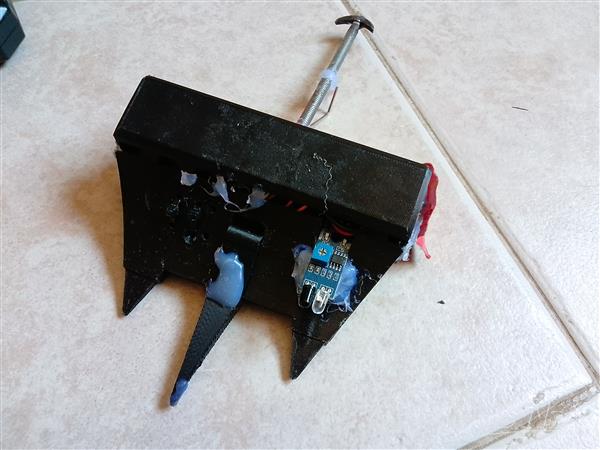
Before developing V2, the previous model, Chippy V1, was built and tested in a local combat robotics tournament. Chippy V1 was a 150g remote-controlled (RC) combat robot, also powered by an Arduino microcontroller. It performed well in the arena, successfully fighting and winning several matches, which proved the reliability of the drivetrain and the core chassis design. However, the tournament highlighted a critical structural weakness: the standard armor could not withstand direct, heavy impacts from powerful spinner weapons, which ultimately knocked the robot out of the competition. The lessons learned from V1's performance are the direct reason for upgrading to a titanium defense system in V2.
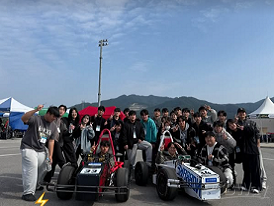
This is what the robot looked like at the end of the competition:
His fight videos:
- Comments(0)
- Likes(2)