

Atlas Autoware: A Student-Built Autonomous (Self-Driving) Race Car
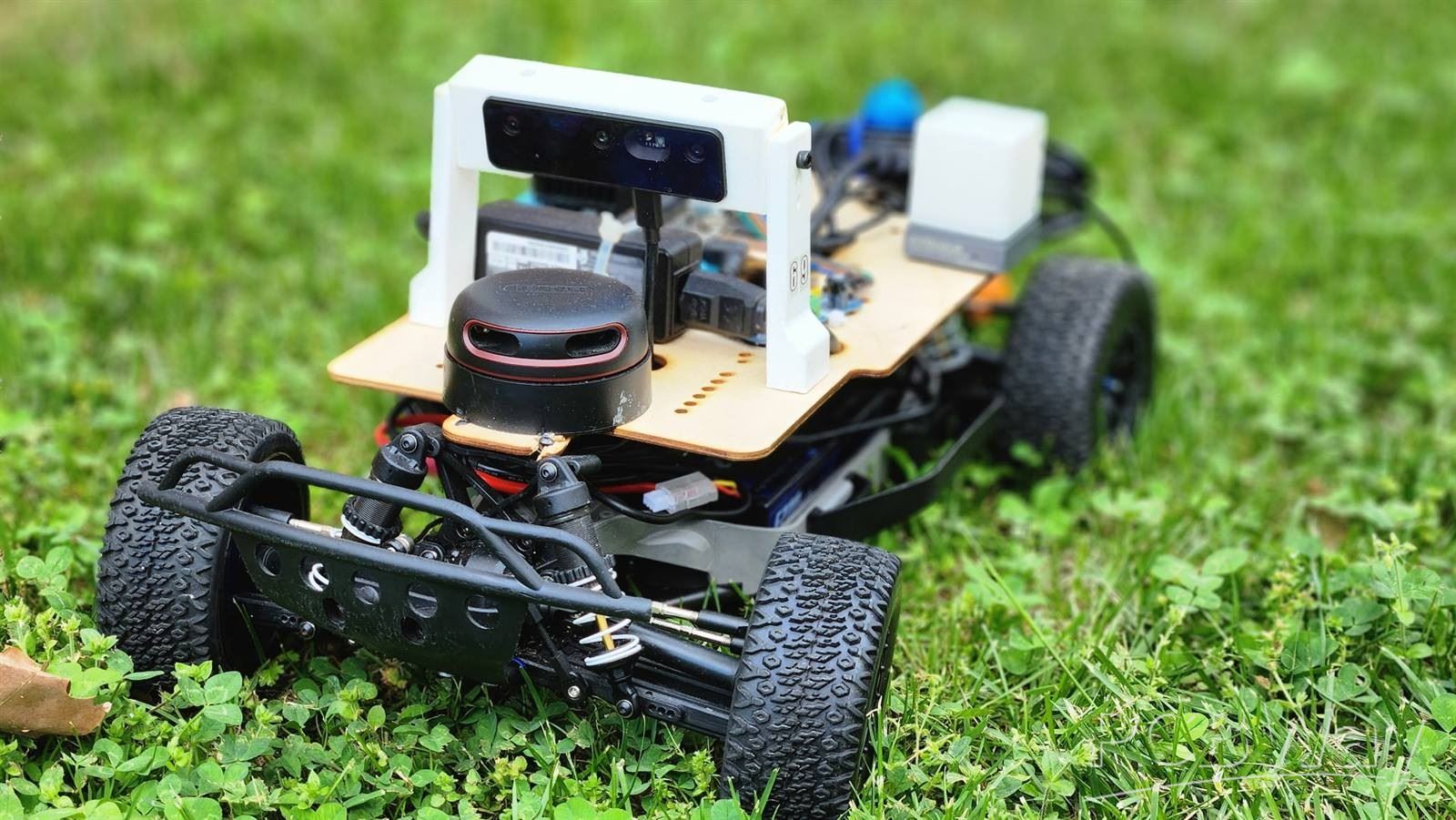
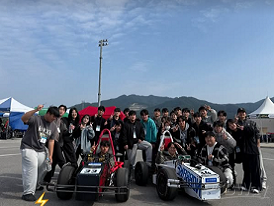
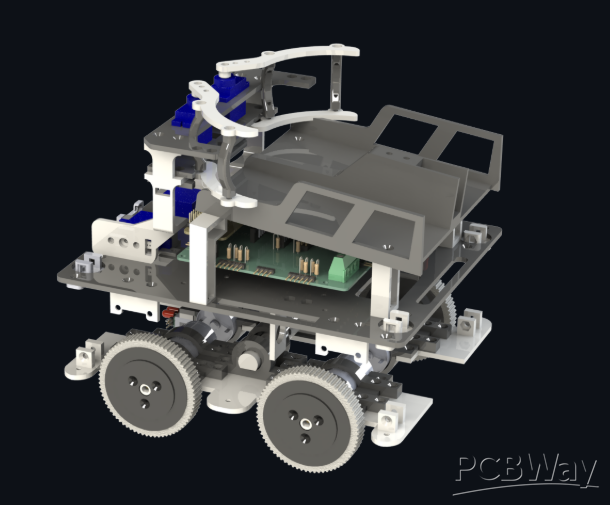
Atlas Autoware is a student-run 501(c)(3) nonprofit based in Fairfax, Virginia. We are high school students from Thomas Jefferson High School for Science and Technology, and we build a 1/10-scale autonomous race car that competes in the international F1TENTH series, the same platform used in university robotics labs. The goal sounds simple and is genuinely hard: get a small car to drive itself around a track as fast as possible, with nobody touching the controls.

Here is how the car actually works. A Traxxas 1/10 chassis gives us the drivetrain and Ackermann steering. Propulsion runs through a brushless motor driven by a VESC-based electronic speed controller using sensorless field-oriented control, which we tuned by hand for smooth low-speed starts and clean high-speed pulls. The brain is an onboard Linux computer (NVIDIA Jetson class) running ROS 2. It reads a 2D LIDAR scan and an IMU, builds a live map of the track, works out where the car is, then plans and follows a racing line. We use a particle filter for localization and a pure-pursuit controller for steering, and all of it has to run in a few milliseconds, lap after lap. That real-time loop is the whole challenge.
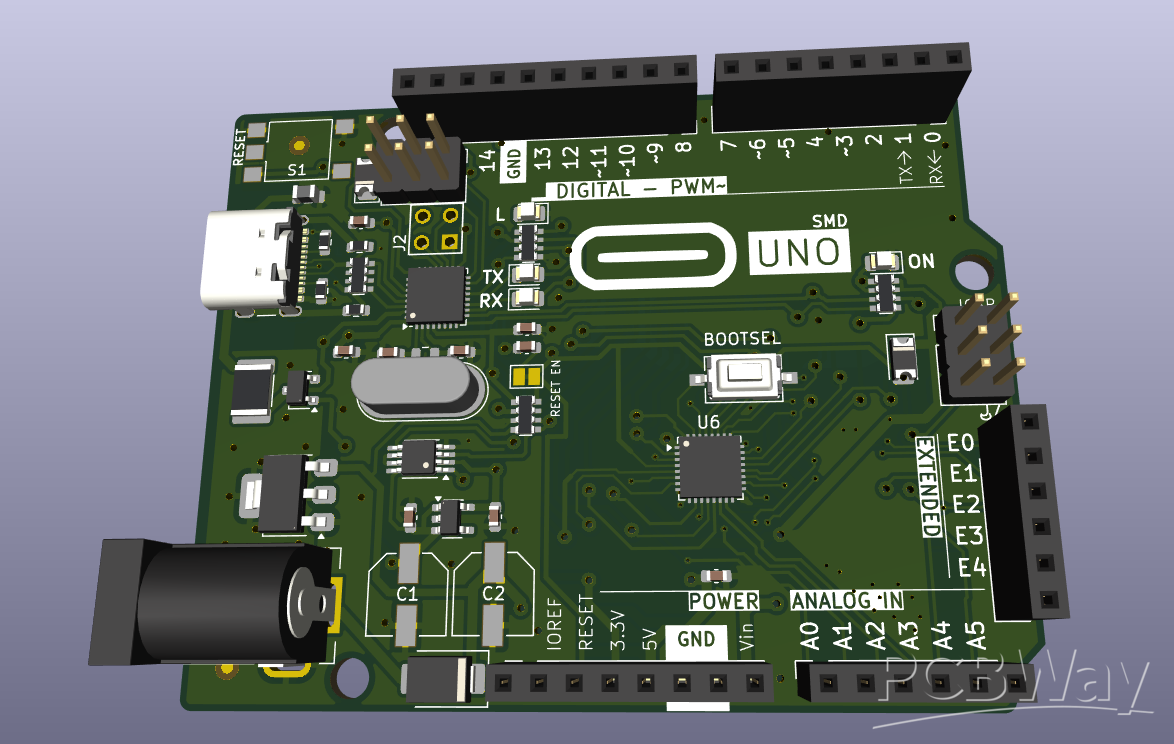
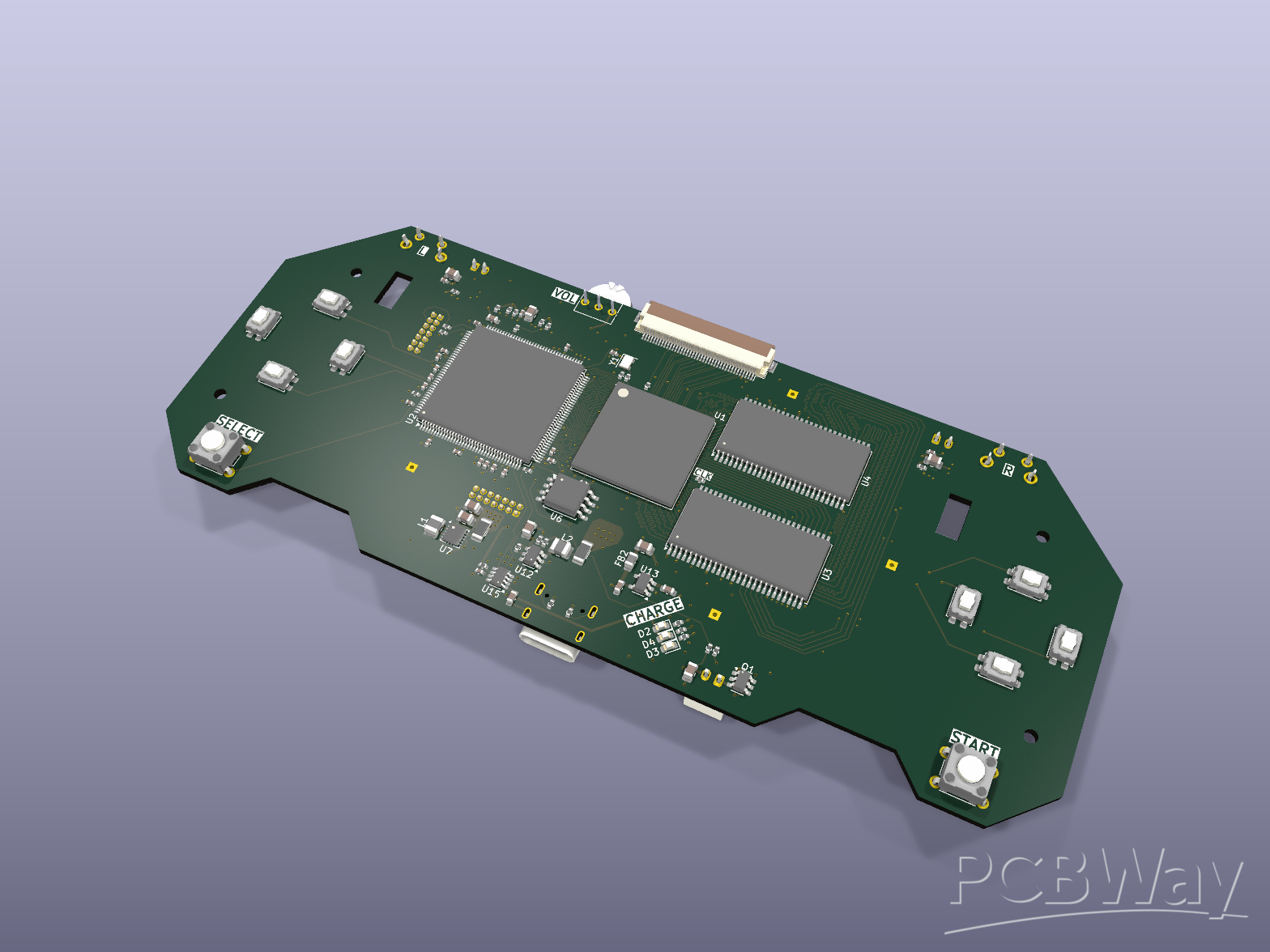
This is where PCBWay comes in. The weakest part of the car has always been the wiring. Power and signals currently run through a tangle of jumper wires between the battery, the compute module, the LIDAR, the ESC, and the IMU, and one loose connection can end a run or brown out the computer mid-lap. We are designing custom PCBs to replace that mess:
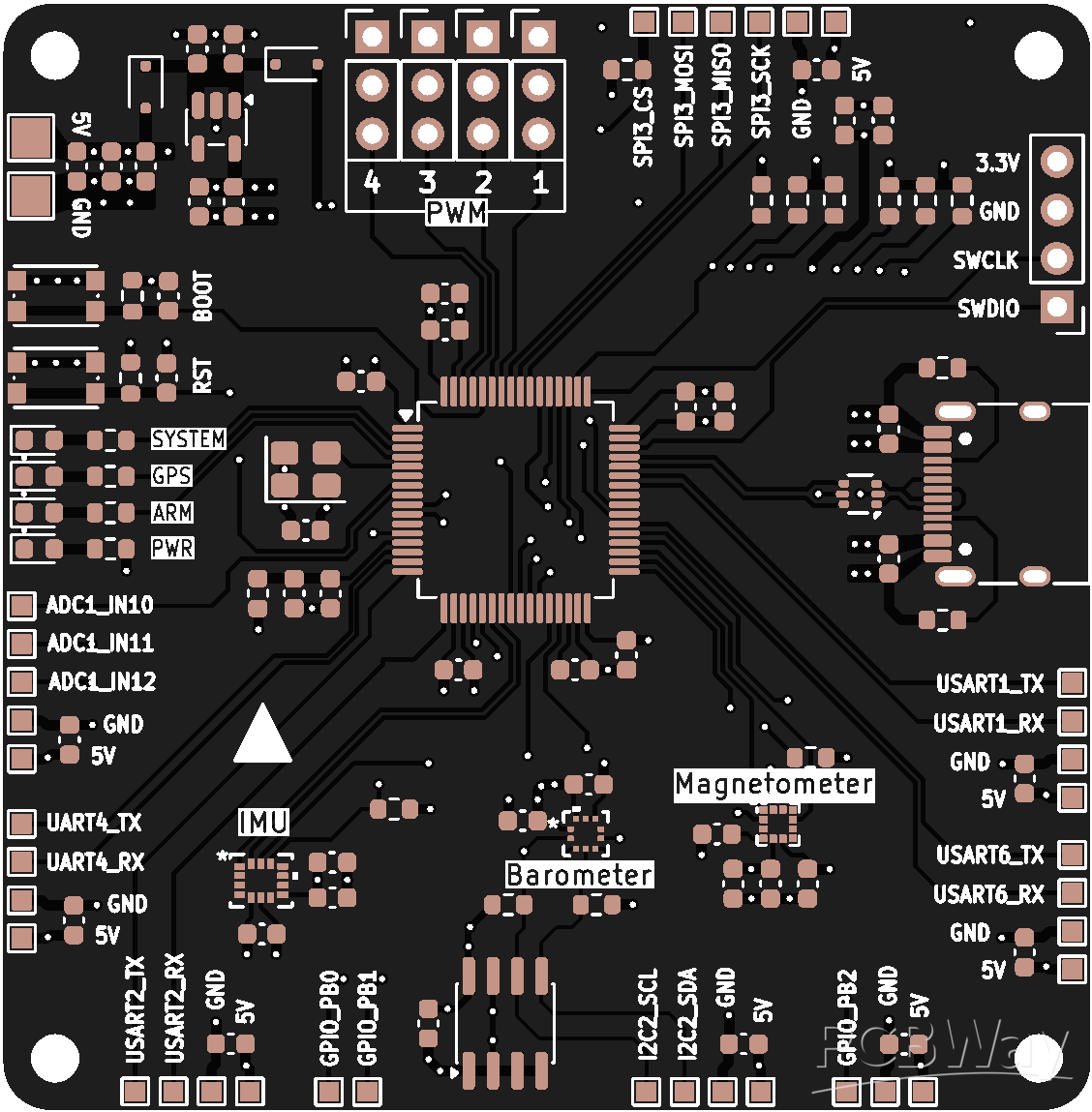
1. A power-distribution board that takes the raw battery input and provides clean, fused rails for the Jetson, the LIDAR, and the logic electronics, with reverse-polarity and over-current protection so a single wiring mistake will not kill a $400 compute module.
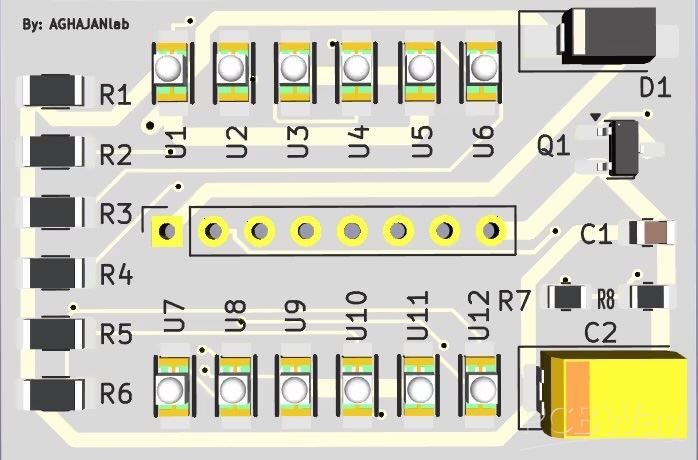
2. A sensor and I/O breakout board that gives proper keyed connectors for the LIDAR, IMU, and the VESC's UART and CAN lines, plus status LEDs and a hardware emergency-stop input so the car is safer to test at speed.
These boards turn a fragile prototype into something repeatable, something a new member can build, plug in, and debug without an electronics background.
That last point is what we care about most. Off the track, Atlas Autoware runs free hands-on STEM workshops where local kids build and program their own small self-driving robots. We want the hardware to be approachable, so reliable, well-documented boards mean a 9th grader can wire things up, watch the car react to the world, and spend their time learning instead of chasing loose connections.
A sponsorship from PCBWay would let us fabricate and iterate these boards without the cost landing on students, most of whom buy parts out of their own pockets. In return we will open-source the full design, schematics, and build logs for the community, and we will proudly feature PCBWay on the car and at every workshop and competition we attend. Thank you for considering us.
Apply for sponsorship >>- Comments(0)
- Likes(0)