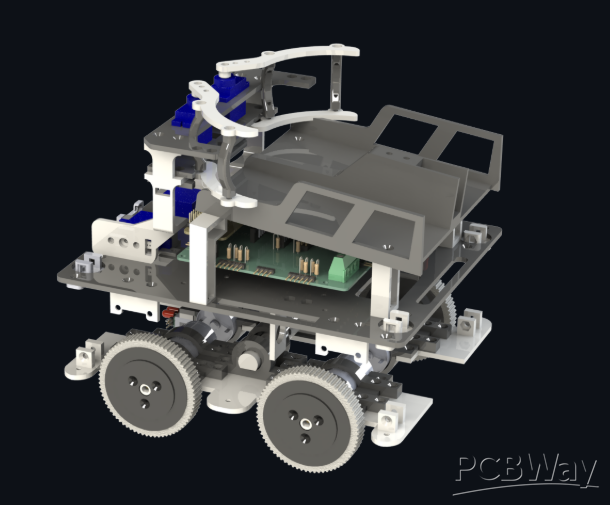
ASTERIA - ARIS most performant bi-liquid sounding rocket
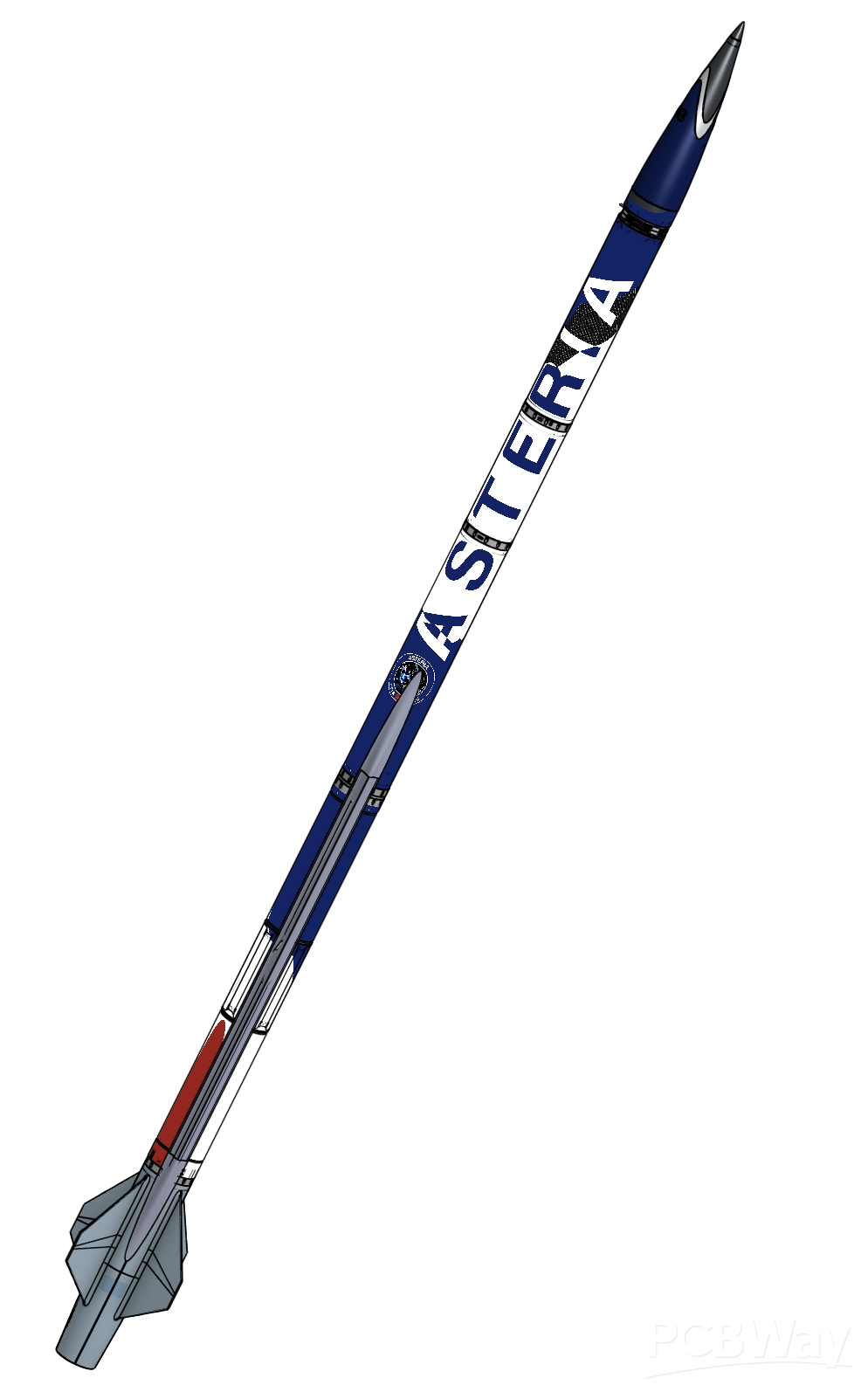
As part of ARIS (Swiss Academic Spaceflight Initiative), ASTERIA, is a pioneering bi-liquid rocket developed by a student team committed to advancing aerospace innovation. In addition to a bi-liquid engine, ASTERIA features a student-designed guided recovery system. This important advancement improves the reusability of the rocket and minimizes the environmental footprint by enabling precise, safe landings. No other rocket can be relaunched as quickly. We are pushing the boundaries of student-led engineering and pursuing ambitious milestones—including a record attempt to be the first team to reach 9,000 m at the European Rocketry Challenge. Building on the achievements of our predecessor rockets, ASTERIA aims to become the most technologically advanced student rocket ever built through rigorous testing, creative problem solving, and uncompromising attention to safety and performance.
The project is divided into several sub teams :
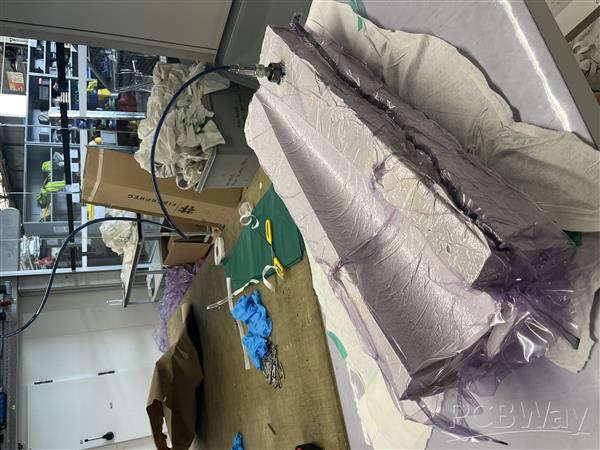
- Structures : Structures is responsible for holding the entire rocket together, ensuring it can withstand the intense loads and vibrations of launch while maintaining its integrity throughout the flight. In our approach of optimising the system, every component is designed to be as lightweight as possible without compromising reliability. That is why we rely on carbon fiber for the fairings, giving us exceptional mechanical properties at a minimal mass. At the same time, the structure also serves as the backbone that integrates all the subsystems, from then engine and the plumbing to the avionics and the guided recovery system. By carefully fitting everything within a compact and efficient layout, we reduce unnecessary mass and complexity while improving overall aerodynamics performance.
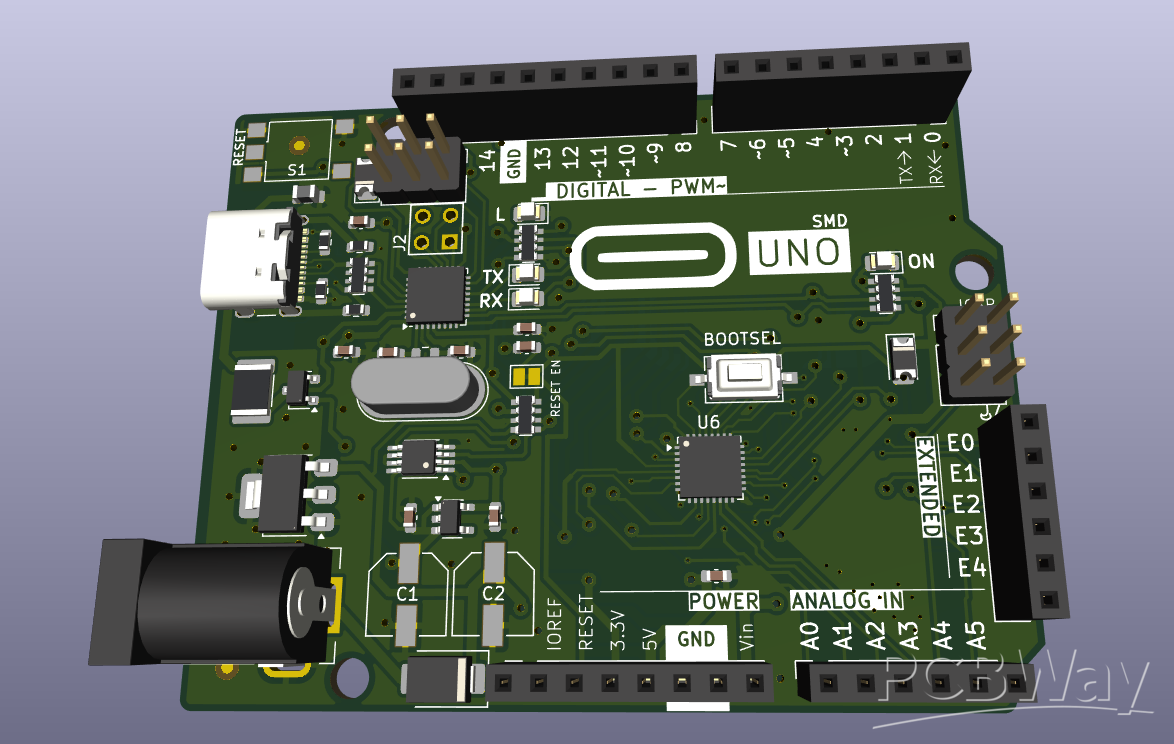
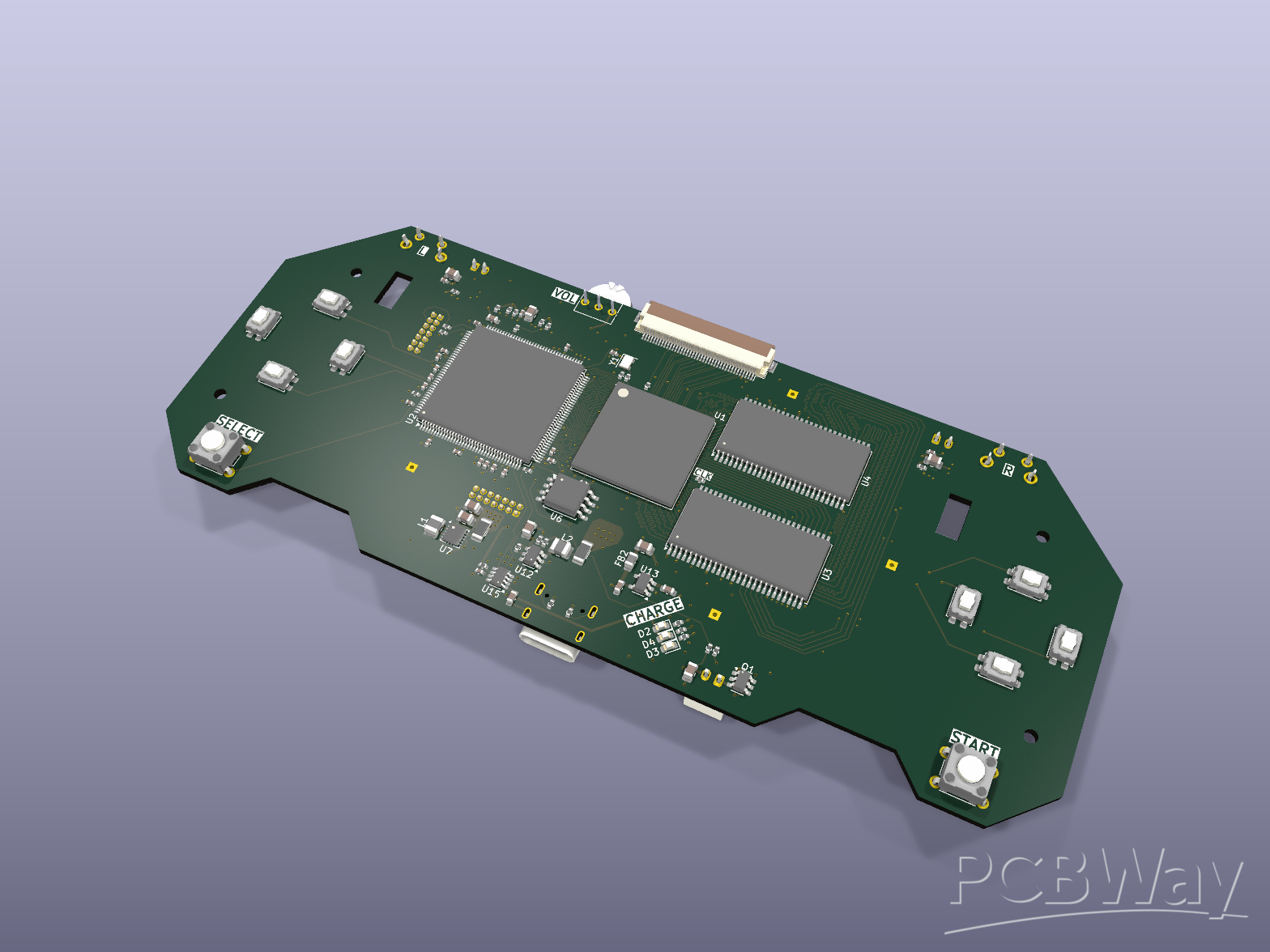
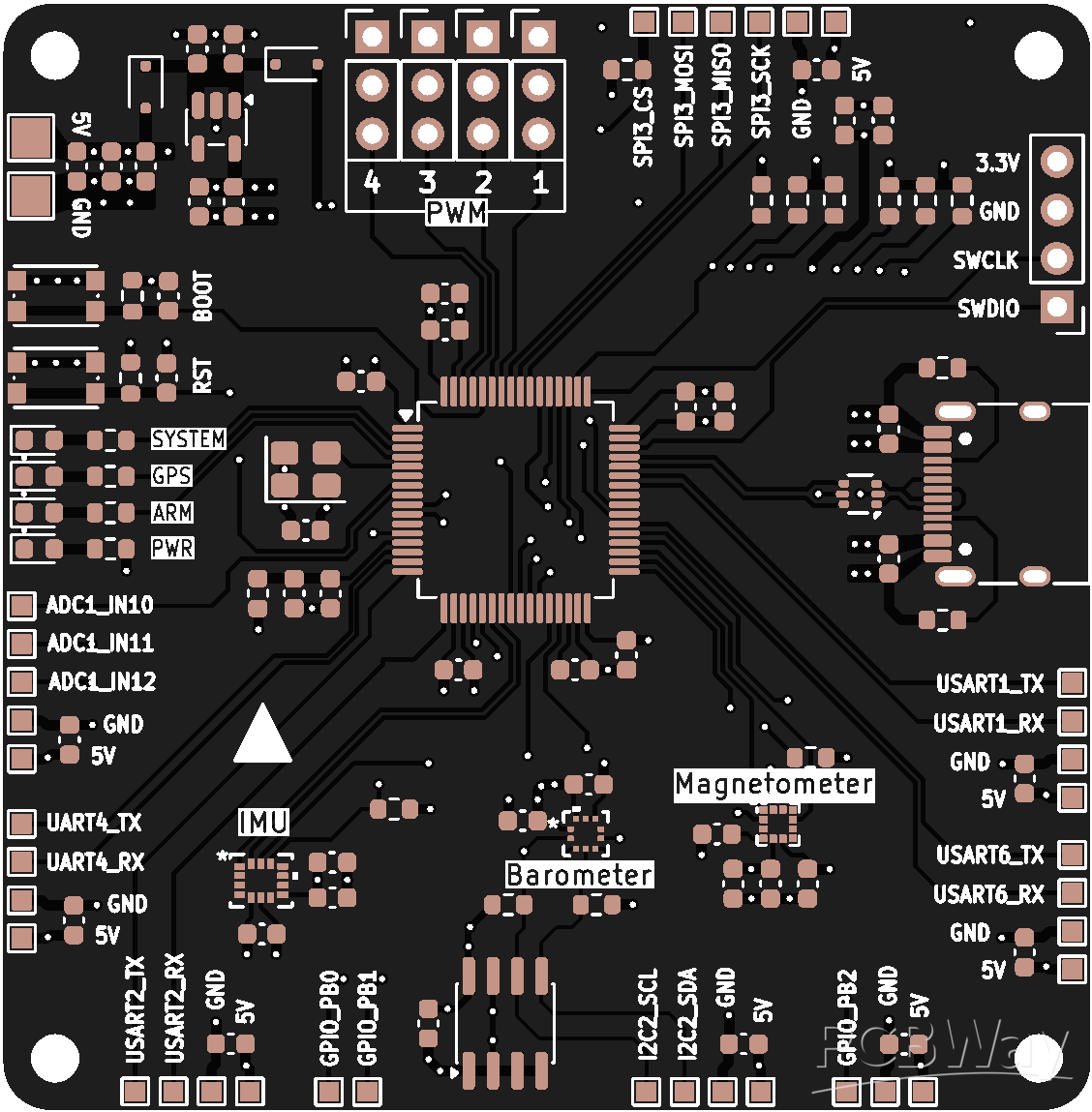
- Avionics : The Avionics are responsible for controlling the rocket. This includes ensuring a stable RF link between the ground station and the rocket, reading out sensor data, actuating valves and controlling the onboard cameras. The system is divided into three main sections. The recovery section is responsible for the steering of the rocket's parachute and also houses the CATS, a commercial of the shelf backup flight computer. The Avionics stack is an ensemble of multiple PCBs that are directly interconnected and includes the flight computer, sensors, telemetry, power electronics and the main battery. The propellant and engine section is responsible for reading out the pressure and temperature sensors of the propellant supply system and the engine, actuating the valves and controlling the pressure control loop.
- Software : The Software Team is responsible for all software systems integrated within the Rocket platform, spanning three main areas. The first covers the remote computers (Flight Computer and the Remote Fueling Station Computer) including their interfaces with onboard sensors and actuators as well as the data links between remote systems and Ground Mission Control. The second encompasses the Ground Mission Control Software itself, comprising the user interface, while the third focuses on the full data pipeline, including processing, elaboration, and storage infrastructure.
- Recovery : The recovery subsystem is responsible for ensuring the rocket’s safe return to the ground. The process begins with separation at apogee, which triggers the deployment of a drogue parachute. This initial parachute stabilizes the rocket and reduces its descent velocity. At an altitude of 1,000 meters above ground level, the main parachute is deployed. This enables a controlled and guided descent toward the designated landing point. To achieve this, the recovery team designs, builds, and tests the actuator system, which allows active steering of the main parachute using two motors. This system is complemented by the guidance, navigation, and control (GNC) subsystem. Through pre-planned guidance algorithms and a responsive control system capable of compensating for external disturbances, the rocket is guided to a precise landing at the target location.
- Engine : The Engine Subsystem is responsible for the design, manufacturing and testing of the rockets engine. Asteria's engine is an adaptation of Hephaestus MkIV, called MkIV-B. After a catastrophic explosion of MkIV, some minor changes were made in order to make it more reliable. The new MkIV-B engine has more filmcooling in order to protect the nozzle from the hot combustion gasses. The engine, much like its predecessor is additively manufactured from Inconel 718. This so called superalloy has excellent strength even at very high temperatures. The regeneratively cooled engine uses ethanol and liquid oxygen as propellants. The engine is throttable within a thrust range from 1.75 kN all the way up to 5.25 kN with an ISP of 180 s.
- Propellant Supply System : Much like the arteries of a body, the Propellant Supply System manages the conditioning, and delivery of every fluid the rocket needs to fly. That means feeding ethanol (fuel) and liquid oxygen (oxidizer) to the engine under controlled pressure and massflow for stable combustion, supplying nitrogen for pressurization and purging, and delivering ignition gases (hydrogen and gaseous oxygen) to start the engine at launch. One of the core engineering challenges is liquid oxygen itself: at cryogenic temperatures of around -183°C, it causes materials to become brittle, seals to fail, and components to contract and crack. Every part that comes into contact with it must be carefully selected and tested to withstand these extremes. PSS also operates the remote filling station on the ground, safely and remotely loading cryogenic and pressurized gases before flight.
- Flight Dynamics : The Flight Dynamics Team is responsible for all simulation-driven aspects of the rocket, aiming to maximize performance within the constraints of EuRoC regulations. Our work focuses on building high-fidelity digital models of the vehicle, enabling systematic optimization of key design parameters. We apply advanced optimization techniques, including genetic and Bayesian algorithms, to maximize achievable altitude while maintaining stability and structural feasibility. The resulting designs are validated through computational fluid dynamics (CFD) analyses and, where possible, wind tunnel testing. A major challenge in developing this pipeline lies in the strong coupling between design parameters. Many variables are not independent—for example, increasing tank length directly affects the center of pressure and overall stability characteristics. Successfully decoupling or managing these interdependencies is critical, and requires careful formulation of the optimization problem, along with robust modeling and constraint handling.
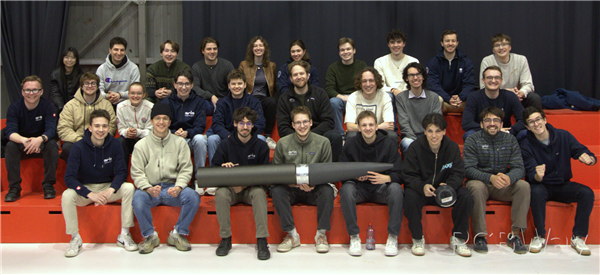
ASTERIA is now one of the most complex student rocketry project to even be designed and we are confident that once built it will perform well and win EuRoC 2026 in the bi-liquid category. Our team of 70 students, from 1st year Bachelors to 2nd year Masters, is more motivated than ever to build the most competitive system in the history of the association, created in 2018.
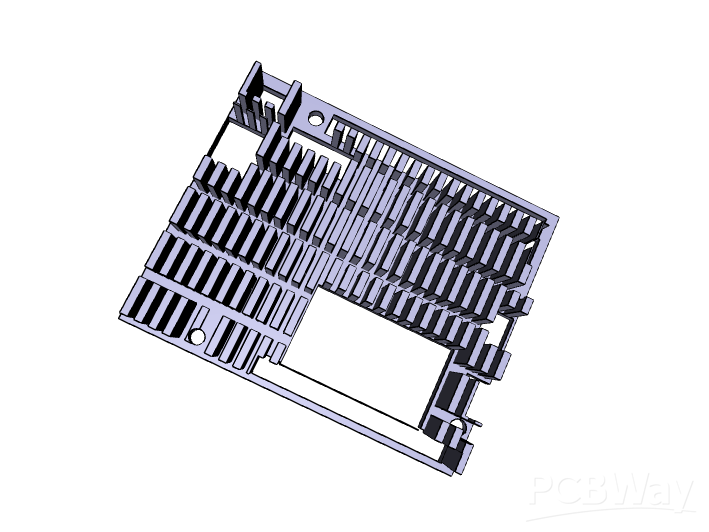
We are currently looking for sponsoring regarding our couplers and our spare Ethanol aluminium tank bulkheads. The STEP files and the technical drawings of the parts are attached. In the case of a sponsorship, we would be happy to add PCB Way in our website, on the rocket and on the merch we wear during events like EuRoC, as well as post one or more dedicated post on our social media (Instagram, LinkedIn and Youtube).
1. Lamination of our carbon fiber nosecone
2. CAD model of the ASTERIA rocket
3. Part of the team with the manufactured nosecone and recovery fairing
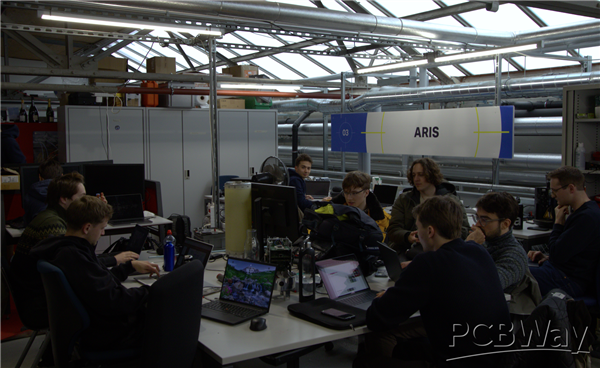
4. Team working
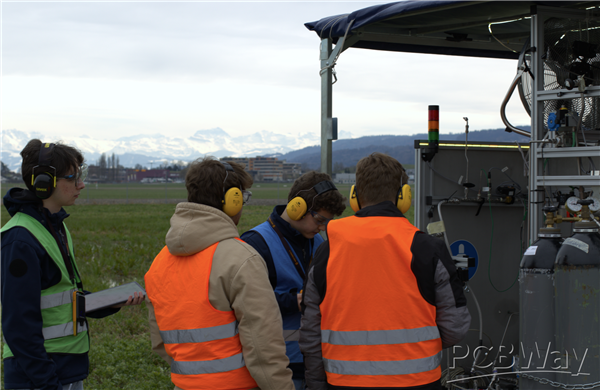
5. Engine and PSS team members during a pressurization test
- Comments(0)
- Likes(1)