



Valiant Aerotech – Developing an Autonomous UAV Platform for Wildfire Detection & Suppression
About the Team
Valiant Aerotech is a student aerospace engineering team from Memorial University of Newfoundland focused on developing advanced UAV systems for wildfire detection and suppression. Our team brings together students from mechanical, electrical, and software engineering who share a passion for autonomous aerial technology and real-world environmental impact.
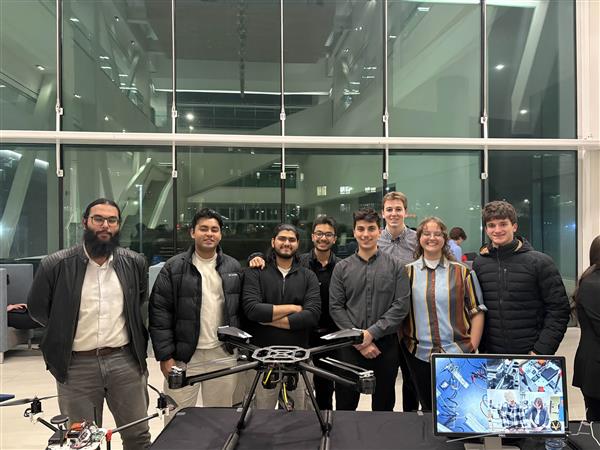
Valiant Aerotech Demonstrating Their Progress at Memorial University Student Teams Showcase
We are currently preparing for the AEAC Student UAS Competition, where our aircraft must autonomously fly complex routes, navigate urban-style obstacles, and deliver water to simulated fire zones. This competition pushes us to innovate across mechanical design, embedded systems, and robotics.
Current Competition Project
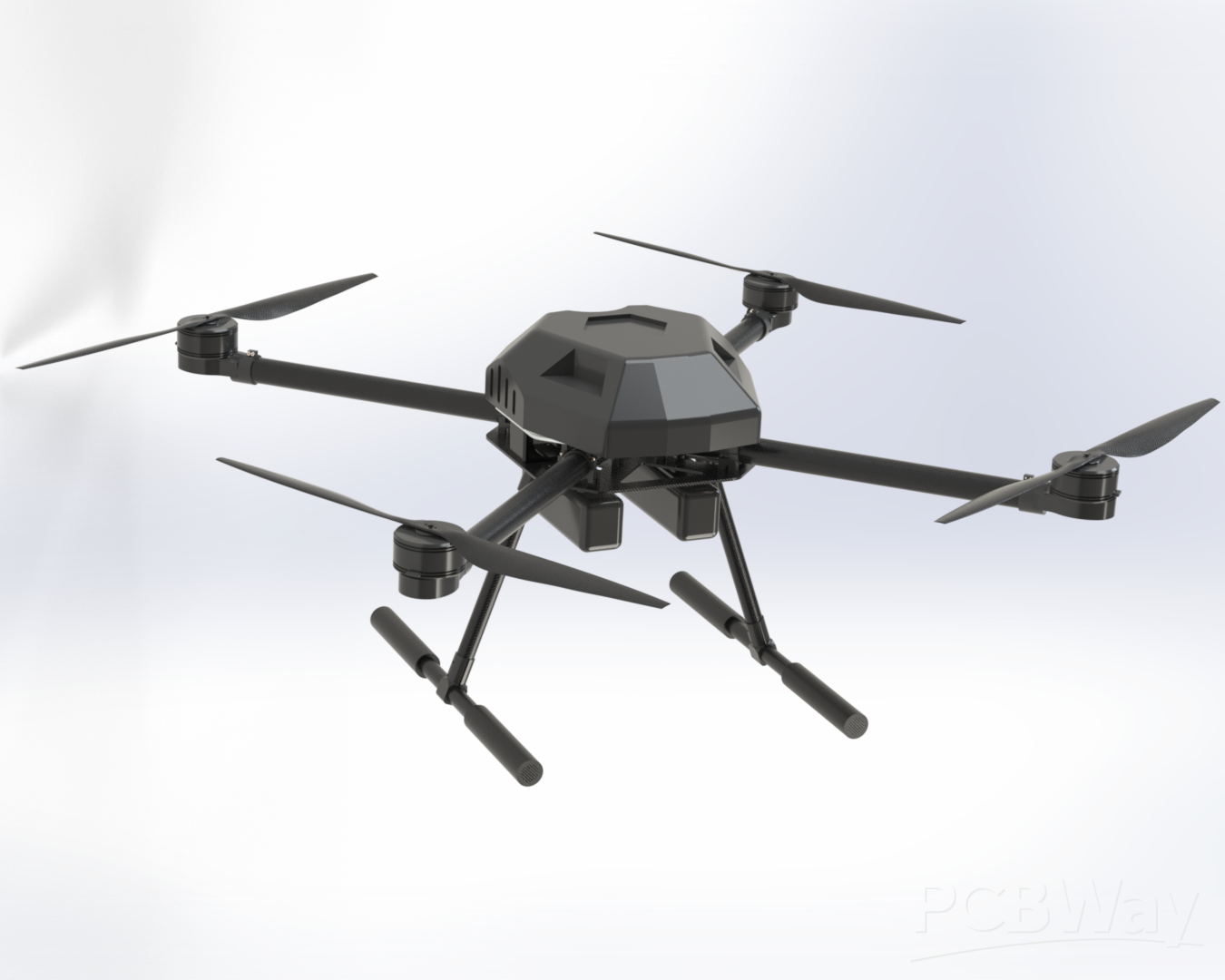
Our entry for the AEAC competition focuses on developing a robust, high-endurance UAV capable of completing a multi-stage wildfire response mission entirely autonomously. The competition simulates real emergency-response conditions, requiring teams to design an aircraft that can perform complex tasks with precision and reliability.
To succeed, our UAV must complete several key mission objectives:
Autonomous Navigation: The aircraft must take off, fly predefined routes, avoid obstacles, and reach multiple target locations without any pilot intervention.
Surveillance and Heat-Spot Detection: Using onboard sensors and cameras, the UAV must scan the environment, identify simulated hotspots, and provide situational awareness mirroring real wildfire reconnaissance operations.
Payload Delivery: The mission requires delivering three separate payloads to distinct drop points. Each payload must be autonomously deployed at the correct GPS coordinate, demanding a highly reliable release mechanism and accurate flight control.
Water-Suppression Demonstration: A unique aspect of the competition is demonstrating a method for water delivery, where the UAV must aim and shoot water at marked fire targets. This challenges teams to integrate actuation systems, plumbing, and precise targeting while maintaining aircraft stability.
Meeting all these requirements demands a highly integrated system combining aerodynamic composite structures, CNC-machined mechanical assemblies, and custom avionics. Every part of the UAV from the retractable landing gear to the triple-payload mechanism is designed to operate reliably under fully autonomous conditions, making precise engineering and rapid prototyping essential to our success.
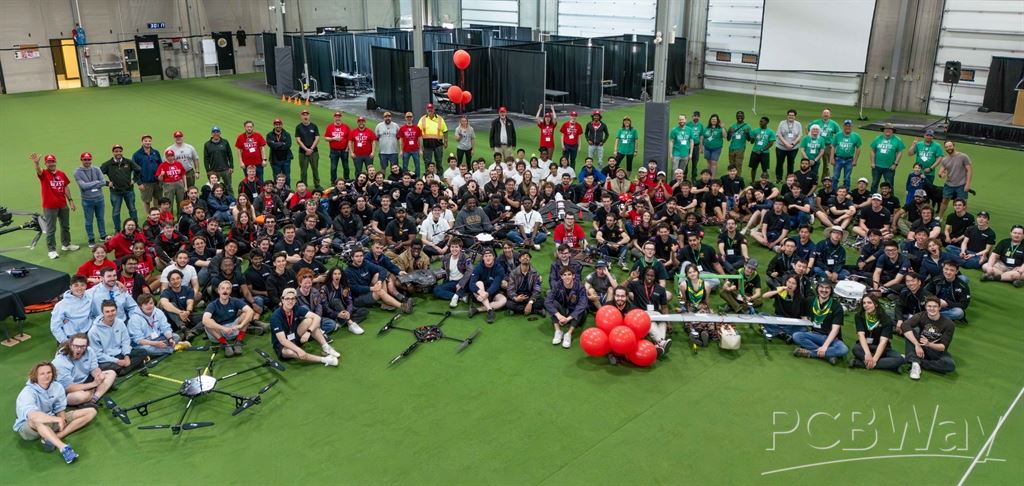
AEAC UAS Competition 2025
Subsystems Overview
CNC-Machined Retractable Landing Gear
A key mechanical subsystem is our CNC-machined retractable landing gear mechanism, designed to:
- Reduce aerodynamic drag
- Improve flight stability
- Protect onboard electronics
- Enable safe takeoff and landing on uneven terrain
The assembly includes:
- 7075 aluminum side plates
- Precision-machined linkage arms
- Servo mount for automation
- Custom tube clamps allowing secure attachment to carbon-fiber tubes without drilling
These components must meet tight tolerances to ensure smooth, repeatable retraction.
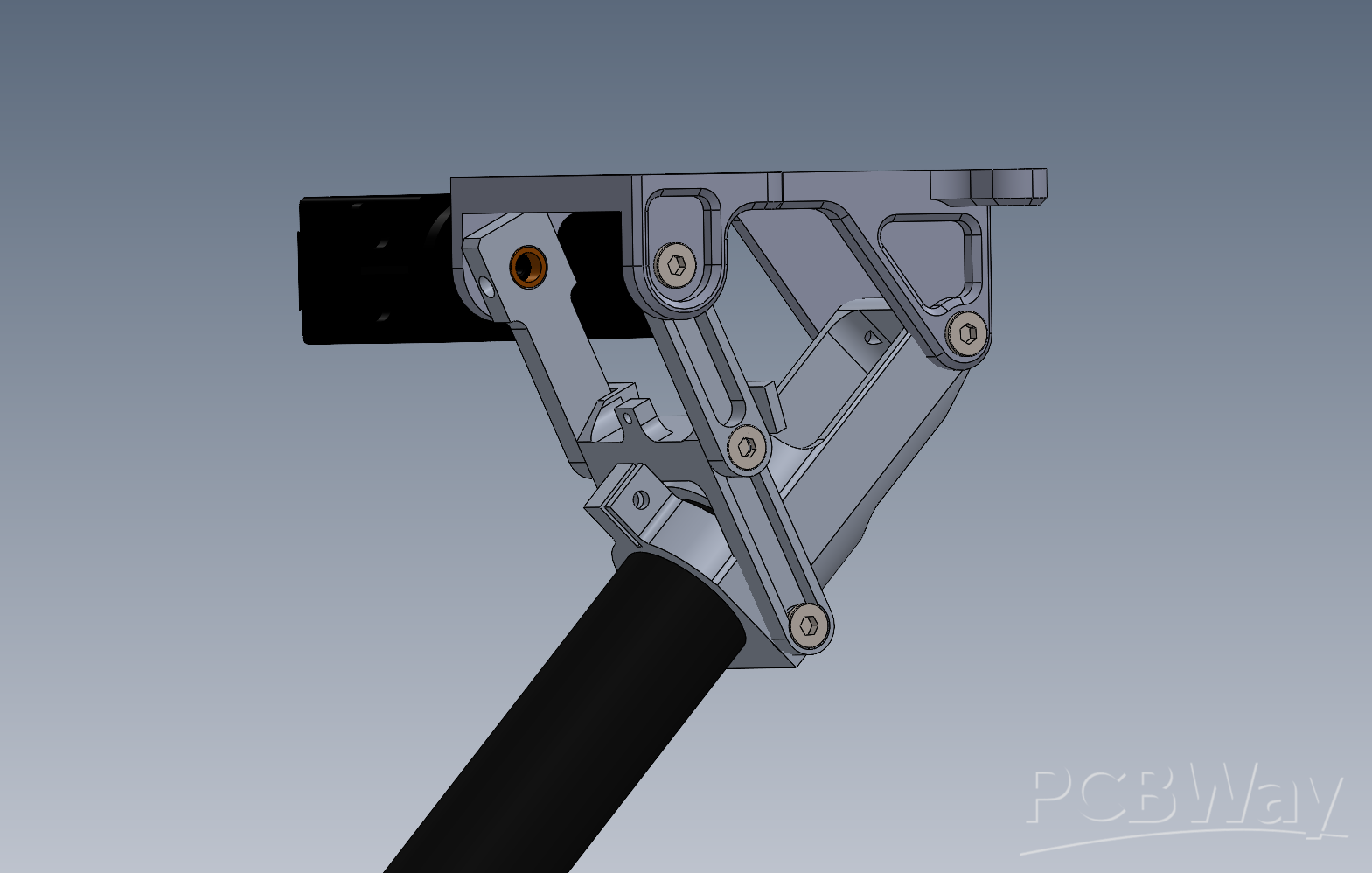
Retractable Landing Gear Mechanism CAD Model
Autonomous Triple-Payload Release System
Another major subsystem is our autonomous payload deployment mechanism, capable of releasing three separate payloads at distinct drop locations one of the core scoring elements of the AEAC mission. The mechanism relies on:
- CNC-milled aluminum brackets
- A compact actuation system
- A controlled sequence that ensures each payload drops cleanly and independently
Reliability is essential, as each drop must occur at precise GPS coordinates during autonomous flight.
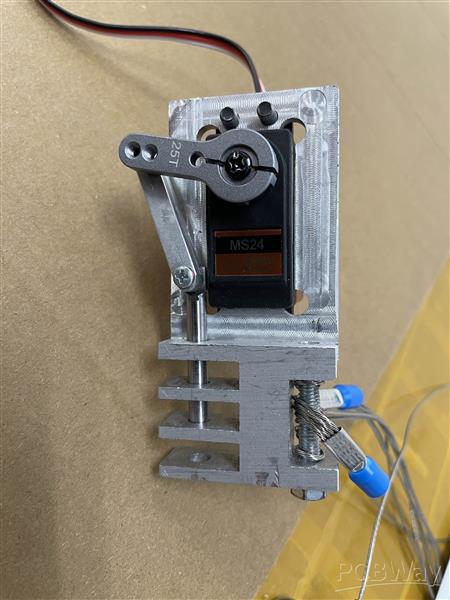
Payload Dropping Mechanism (Hand Machined Prototype)
Custom Electronics & PCB Development
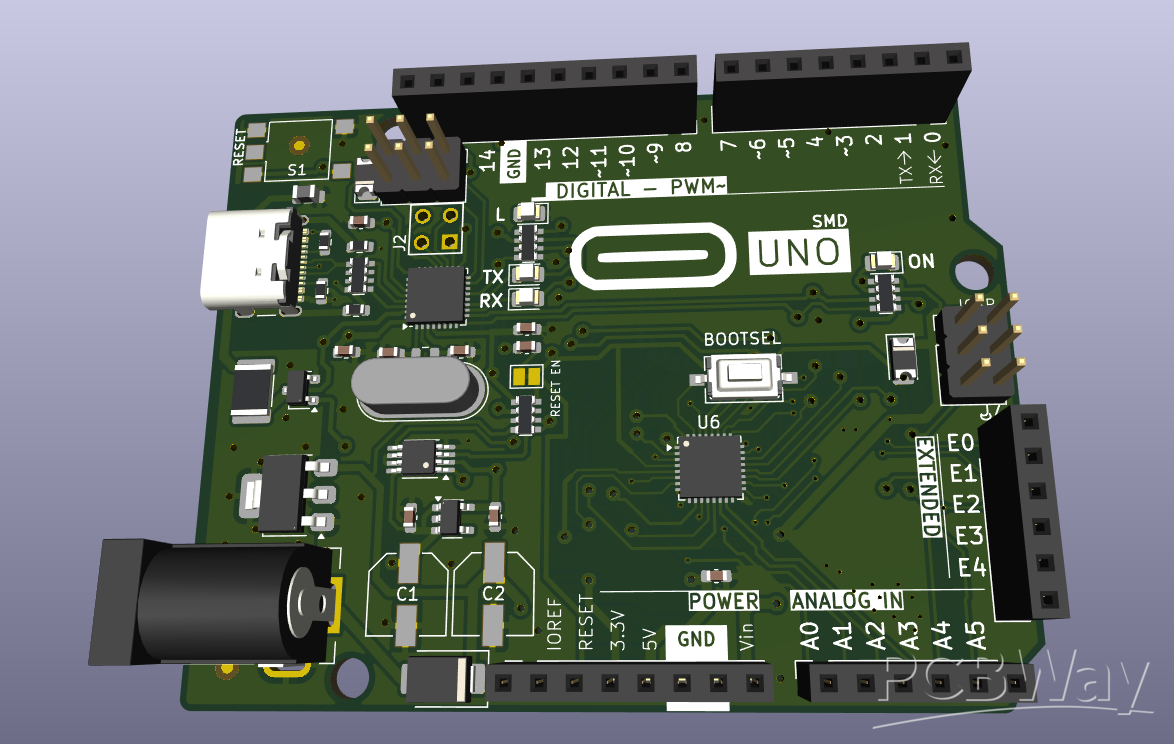
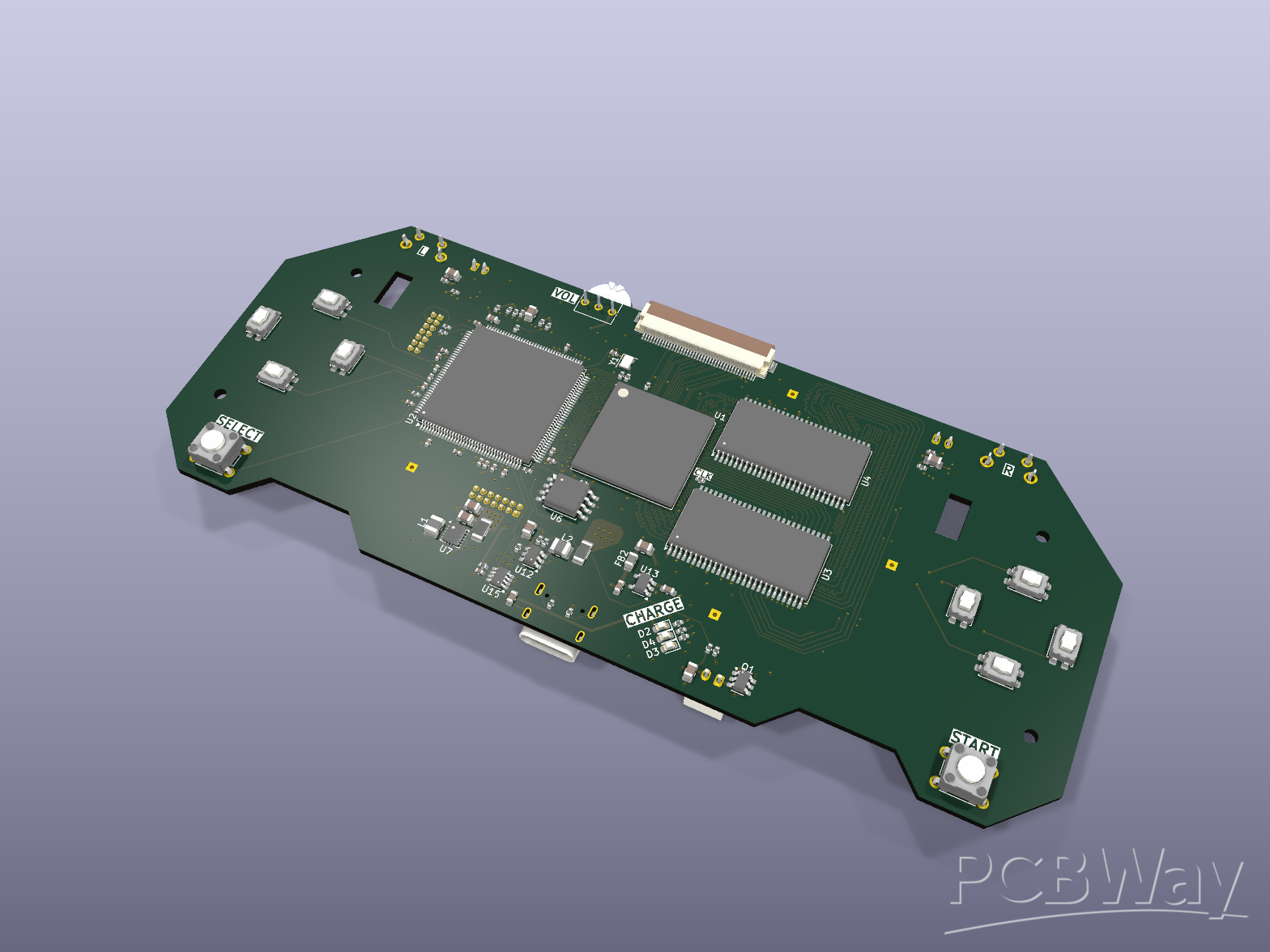
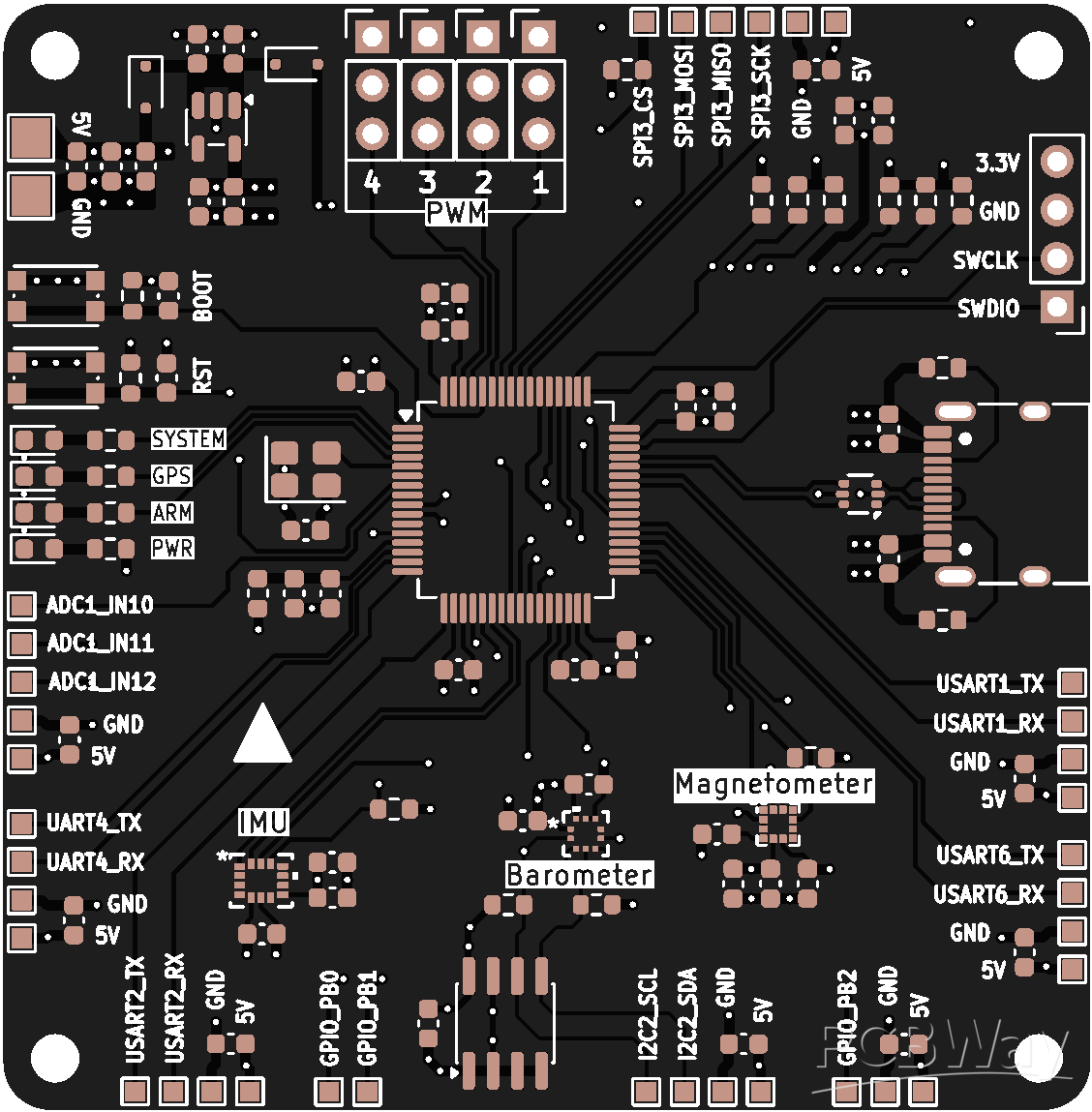
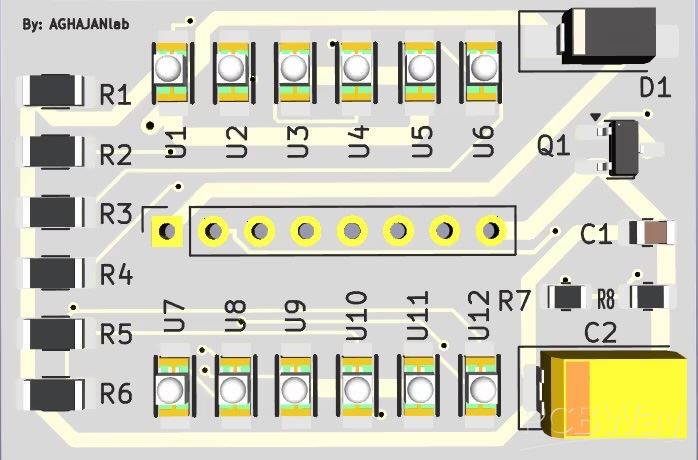
Our electronics division is developing several custom PCB designs to support mission-critical sensing and power management:
- Mauch-style hall-sensor PCB
- High-accuracy battery voltage sensing
- Stable power monitoring during long-duration flights
- PCB Breadboard / Interface Board
- Simplifies wiring
- Reduces failure points
- Cleans up system integration for sensors, GPS, servos, and flight computers
Why PCBWay?
PCBWay’s high-quality CNC machining, PCB fabrication, and rapid prototyping services would significantly accelerate our development cycles. Faster iterations will allow more members of our team to gain hands-on experience with manufacturing, electronics, testing, and design validation.
Support from PCBWay would directly contribute to:
- A safer, more reliable UAV platform
- Competition-ready mechanical subsystems
- Cleaner, more maintainable avionics architecture
- Skill development across multiple engineering disciplines
We are excited about the opportunity to collaborate with PCBWay and continue pushing the boundaries of student UAV innovation.
Apply for sponsorship >>- Comments(2)
- Likes(6)